Precision Diagnostics
Clinical Intelligence Hub • Expert Curation
Precision diagnostic profiling translates to proactive disease screening and biological age optimization. Our clinical board reviews advanced epigenetic clocks (like OMICm Age, Symphony Organ Age, and Dunedin Pace) and circulating tumor DNA (ctDNA) liquid biopsies. Early detection allows you to manage systemic aging risks years before they manifest.
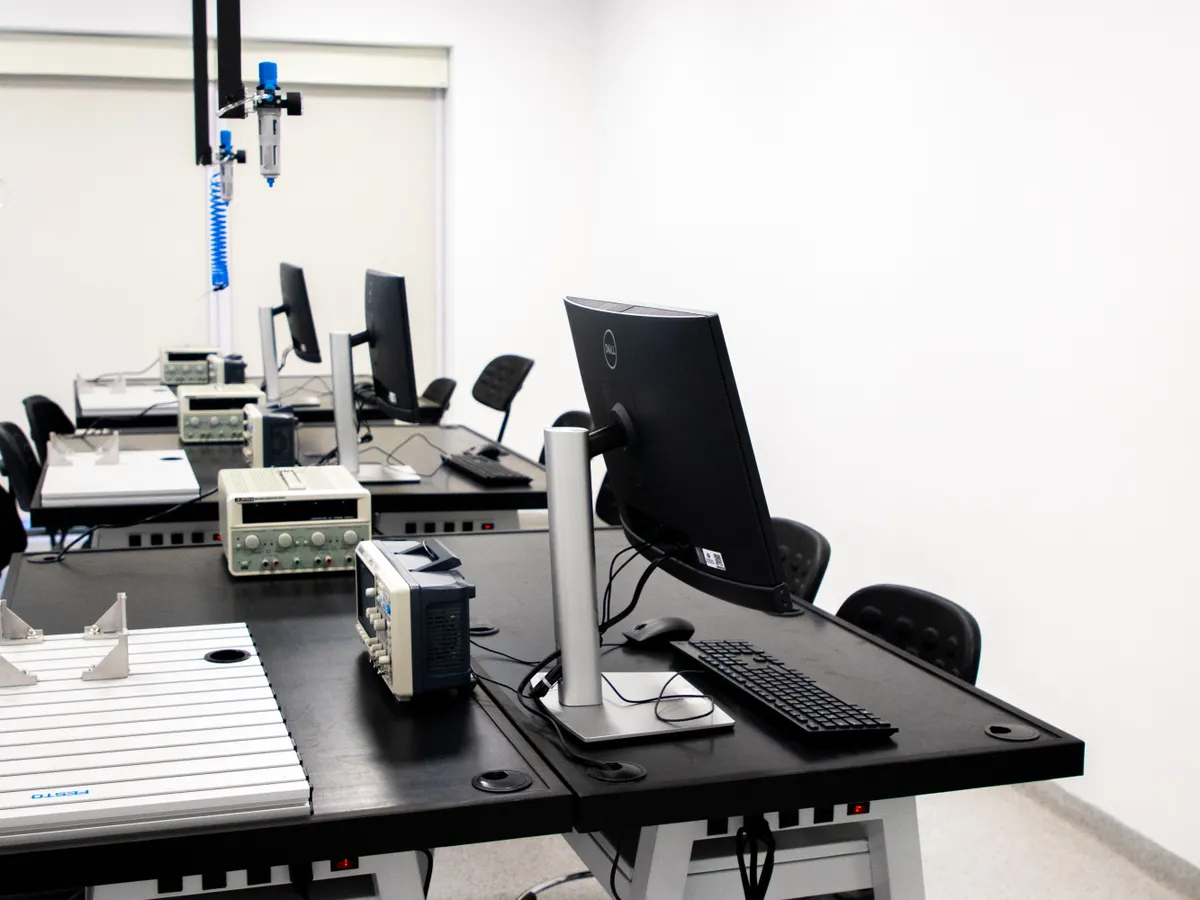
Discover how tracking longitudinal changes in epigenetic clocks helps active female athletes optimize cellular recovery, joint health, and biological age.
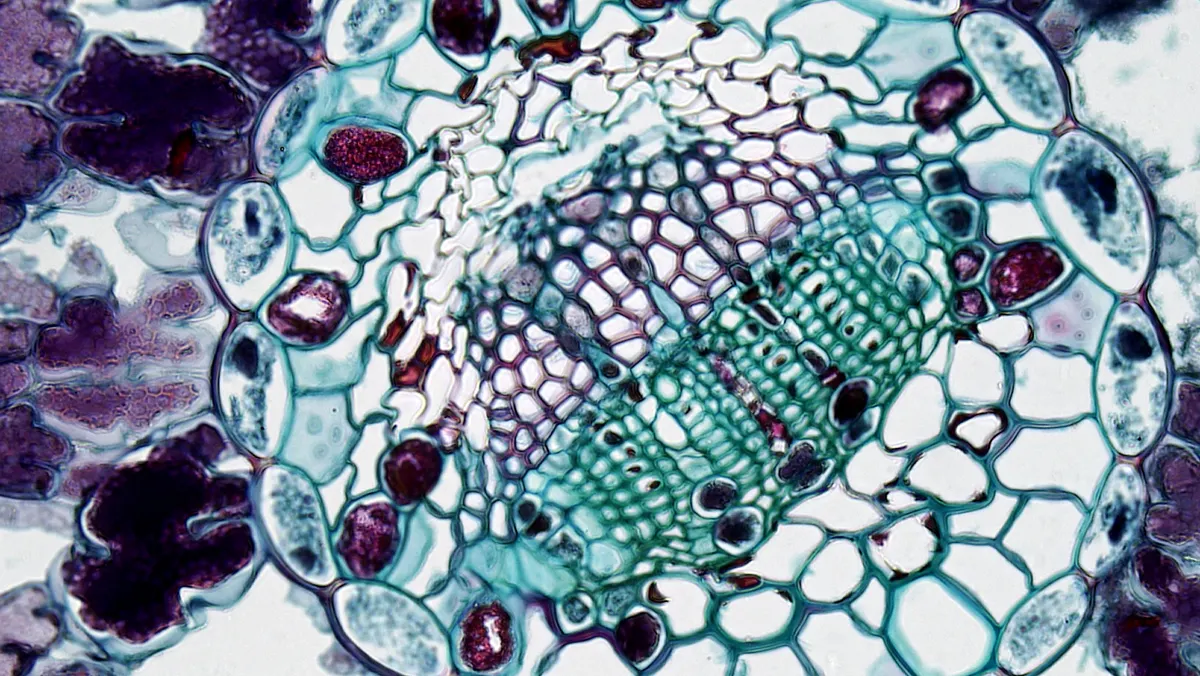
Discover how the novel CLASPP model uses predictive proteomic modeling to map post-translational modifications, optimizing joint health and cell recovery.

Discover how the Human Observatory Study leverages precision longevity diagnostics and ecological data to continuously optimize human health and lifespan.

Discover how dynamic hormone tracking optimizes joint recovery, energy balance, and physical resilience for naturally menstruating and oral contraceptive users.

Learn how trimodal prehabilitation benefits oncology patients through structured physical, nutritional, and cognitive optimization prior to major surgery.

Explore how standardizing metabolic health optimization protocols and fasting windows stabilizes epigenetic clock measurements for high-performing female executives.

Discover how somatic mutations drive hidden systemic inflammation and cardiovascular risk, and learn proactive protocols to hedge these biological liabilities.

Discover how multiomics diagnostics and salivary biomarker profiling are revealing the hidden molecular signatures of aggressive periodontal disease.
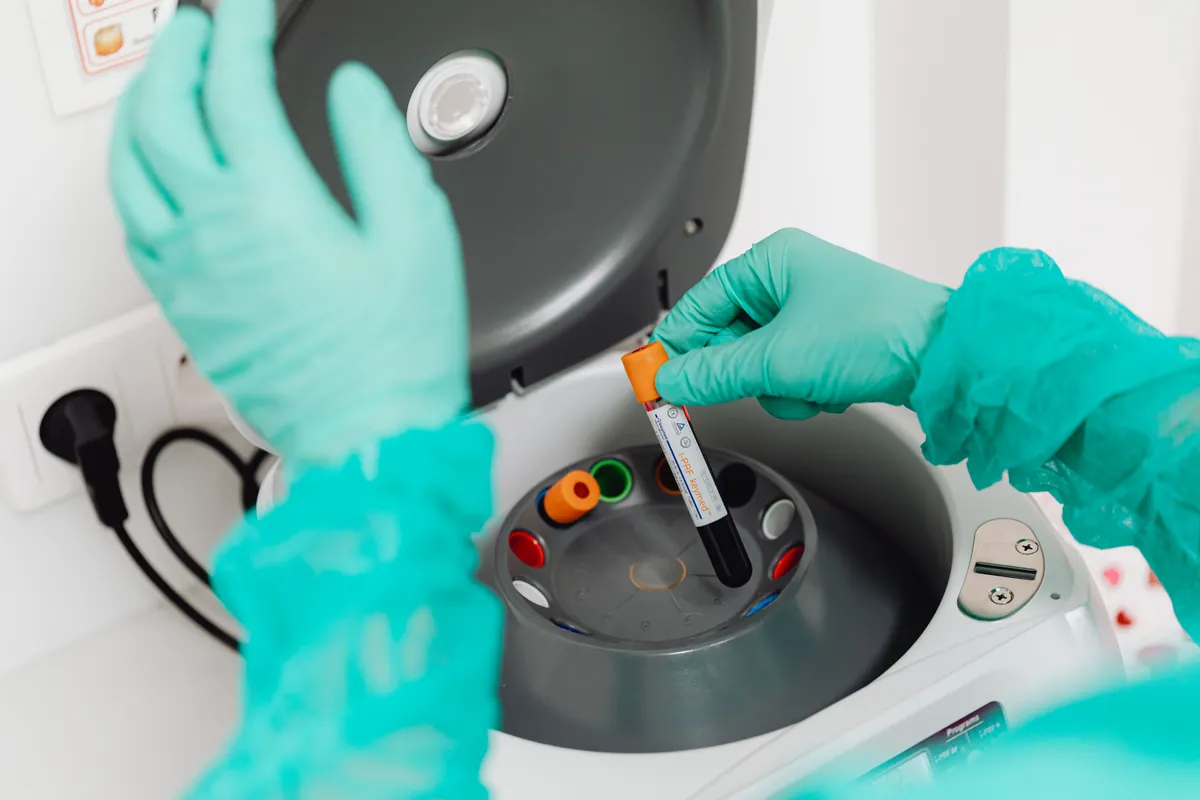
This executive briefing illuminates the LION panel, a sophisticated 109-gene liquid biopsy technology poised to redefine personalized cancer treatment. Developed as a manufacturer-independent, pan-cancer sequencing tool, it offers unparalleled precision in identifying actionable variants, monitoring disease progression, and detecting treatment resistance, particularly when traditional tissue biopsies are impractical. While representing a significant leap in molecular diagnostics, its early-stage validation on a limited cohort underscores the need for continued rigorous evaluation to fully unlock its transformative potential for high-performance health optimization.