Longevity & Brain Health
Clinical Intelligence Hub • Expert Curation
Preserving cognitive function and neurovascular integrity is essential for long-term healthspan. We analyze publications exploring cellular neuroprotection, synaptic density, and biological interventions that support mental stamina, memory preservation, and brain age deceleration.

Discover the science of adult neurogenesis and how simple dietary and lifestyle habits can help you build new brain cells and protect memory as you age.

Discover how to slow biological aging using insights from new research on epigenetic clocks, systemic inflammation, and cellular resilience strategies.
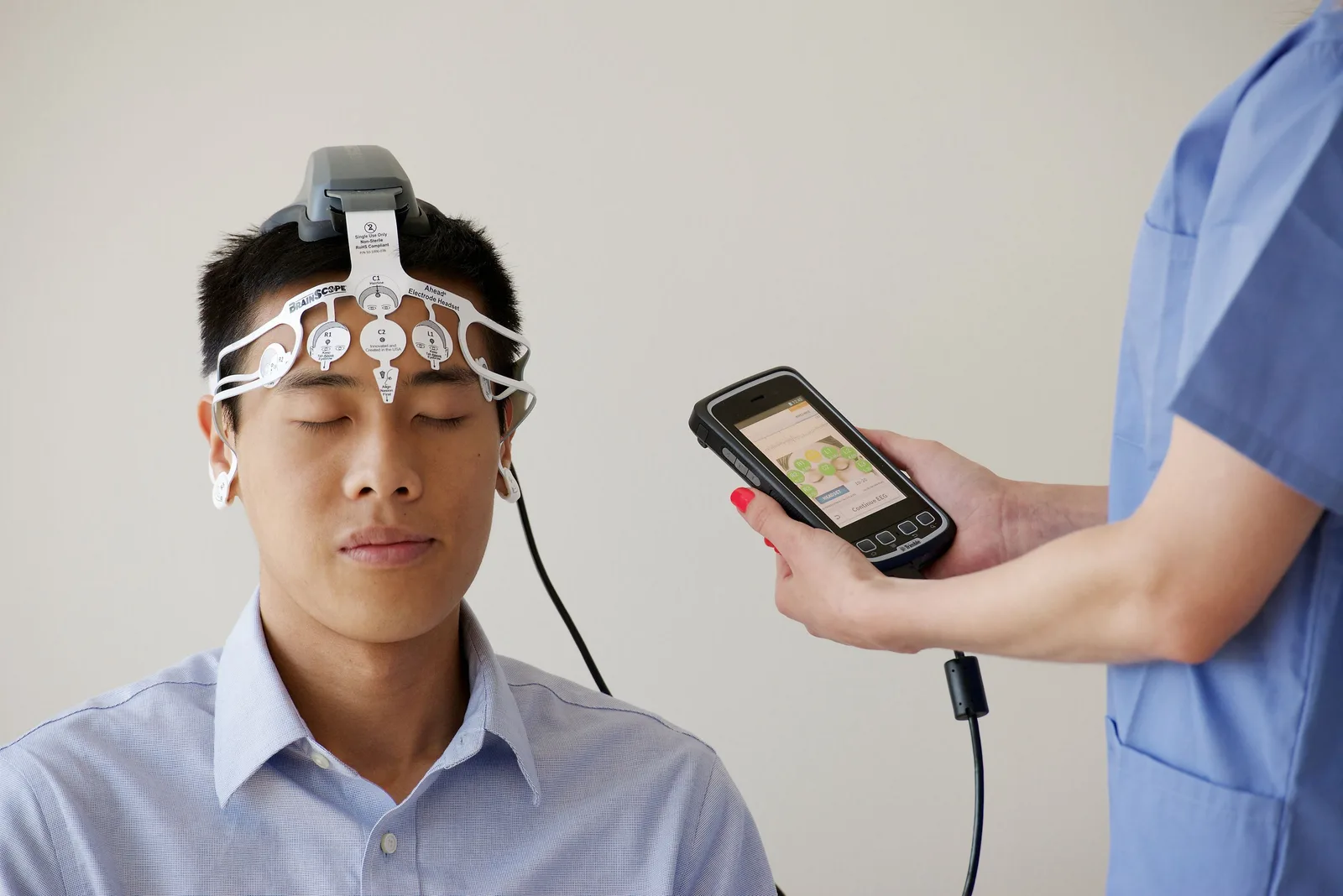
This executive briefing details how a Mediterranean-diet-based nutritional education program restores enteric nervous system motility and mitigates intestinal constipation in Parkinson's disease, offering an elegant, low-cost strategy for long-term neuroprotection and systemic health span.

Discover how dietary alpha-linolenic acid brain health interventions restore vascular lipid homeostasis and protect cognitive function in APOE4 carriers.

A groundbreaking clinical study reveals a newly identified brain protein called TDP-43 that causes cognitive decline mimicking Alzheimer's, offering investors and high-performing leaders a powerful new diagnostic blueprint to protect their long-term mental edge.

This executive briefing explores a newly discovered, neuron-specific membranal proteasome system that acts as a localized, real-time waste disposal unit, directly linking cellular clearance to the prevention of Alzheimer's disease and the preservation of long-term family cognitive capital.

Discover the latest clinical data on neuropathic pain treatment safety and how calming hyperactive neural pathways could help preserve long-term health.

Discover how shifting from spontaneous mental drift to deliberate reflection acts as a metabolic shield, preserving cellular energy and driving physical longevity.
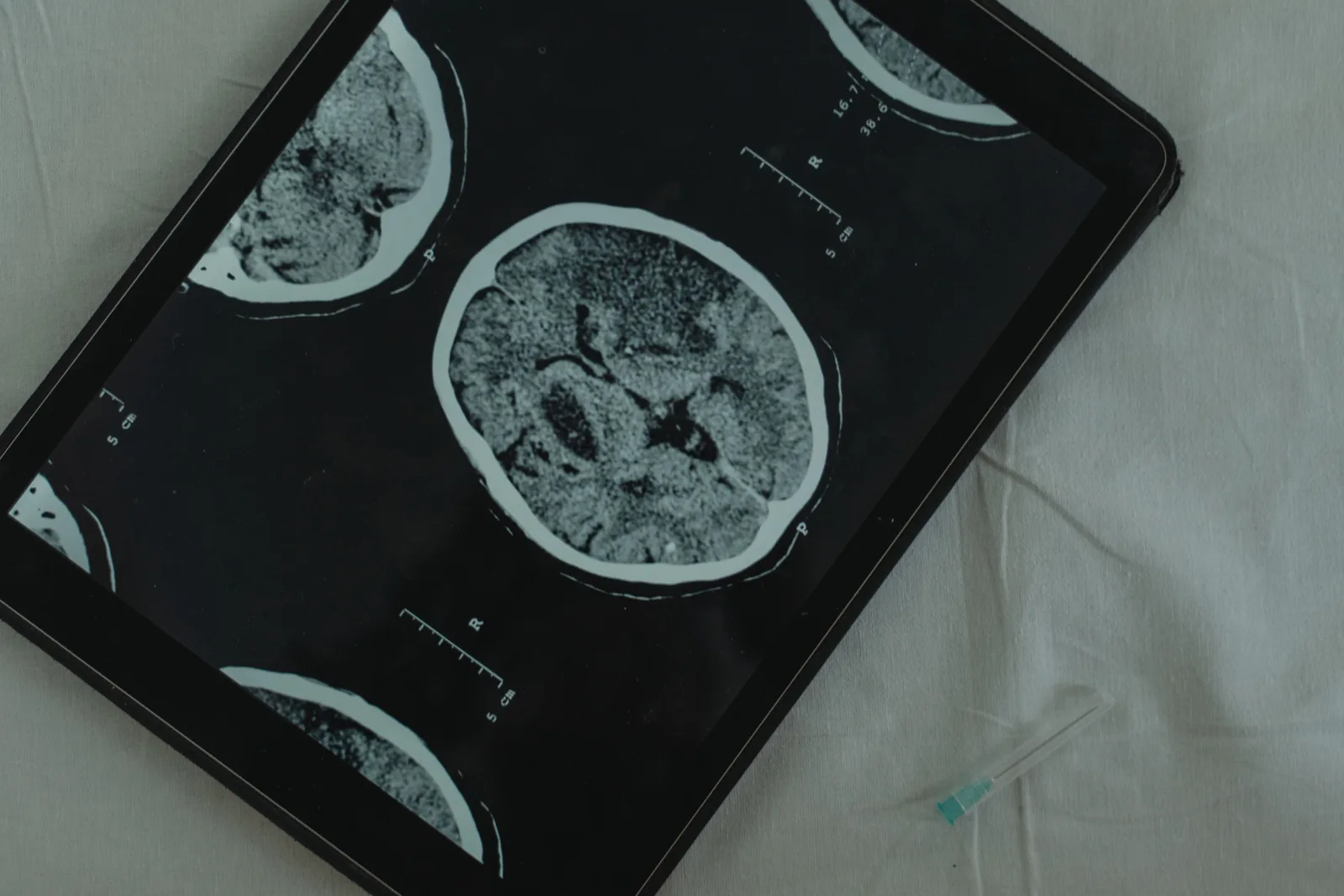
A ground-breaking study demonstrates that localized epigenetic reprogramming in the brain not only reverses Alzheimer's pathology and restores cognitive function, but also repairs systemic bone loss via extracellular vesicle signaling, revealing the brain as a master regulatory node for peripheral aging.