PRP vs Stem Cell Injections for Disc Degeneration: What the Clinical Evidence Shows
Executive Summary
"A systematic review comparing PRP and stem cell therapy for disc degeneration finds PRP offers faster pain relief, while cell survival remains a challenge."
For millions of individuals living with chronic low back pain, degenerative disc disease presents an enduring clinical challenge. The spinal disc gradually loses hydration, height, and structural resilience, leading to persistent discomfort and limited mobility. In response, regenerative medicine has introduced biological options aimed at soothing inflammation and encouraging tissue repair. Two therapies dominate this landscape: platelet-rich plasma (PRP), which concentrates healing factors from a patient's own blood, and mesenchymal stem cells (MSCs), which are specialized precursor cells capable of directing tissue repair.
To understand how these therapies perform, it helps to imagine a degenerated spinal disc as a drought-stricken desert soil bed. PRP works like nutrient-rich flash irrigation. It rapidly settles the dust, calms immediate inflammatory stress, and provides local signaling factors. Mesenchymal stem cells, by contrast, are like delicate, complex seedlings. When placed into a harsh, acidic, and nutrient-poor disc environment, they often struggle to survive and establish roots unless the surrounding environment is properly conditioned first.
Now, a rigorous systematic review provides clear evidence on how these two treatments compare in human patients.
The Spine's Regenerative Crossroads: PRP vs. MSCs
To clarify how these biological treatments compare, a systematic review and indirect meta-analysis published in the International Journal of Molecular Sciences evaluated 21 clinical investigations, comprising nine randomized controlled trials and 12 prospective cohort studies. The researchers evaluated clinical pain scales (such as the Visual Analogue Scale) and functional recovery metrics (primarily the Oswestry Disability Index, or ODI) across short-term, mid-term, and long-term follow-ups.
The quantitative meta-analysis revealed distinct differences between the two treatments at the six-month mark:
- PRP delivered substantial early relief: Across randomized trials, intradiscal PRP injections significantly reduced low back pain scores at six months by a mean difference of -16.4 mm on a 100 mm scale. It also improved daily physical function, reducing ODI disability scores by an average of -12.7 points.
- MSCs showed more modest early improvements: Intradiscal MSC therapy yielded a smaller pain reduction at six months, showing a mean difference of -4.3 mm, accompanied by minimal short-term functional improvement on disability scores.
- Indirect comparison favored PRP: Utilizing the Bucher method for indirect meta-analysis, the researchers found that PRP outperformed MSCs and standard corticosteroid injections for pain relief in the short to mid term, frequently achieving pain reductions greater than 50%.
- Longer duration in select stem cell trials: While PRP showed stronger early efficacy, several prospective MSC trials tracked patients for extended periods, documenting sustained clinical benefits lasting up to 72 months in select cohorts.
- Comparable safety: Both therapies demonstrated strong safety profiles, with adverse reactions limited to mild, transient post-injection soreness and temporary local stiffness.
These findings suggest that for immediate symptom management and functional recovery over 6 to 12 months, PRP provides a more pronounced clinical benefit than stem cell delivery alone.
Surviving the Nucleus Pulposus Desert: Why Cell Therapies Struggle
Why did advanced cellular therapy produce a smaller short-term effect than simple platelet concentrates? The explanation lies in the hostile biology of the degenerated intervertebral disc. The central core of the disc (the nucleus pulposus) is the largest avascular structure in the human body, meaning it has no direct blood supply.
As explored in a comprehensive review in JOR Spine, the degenerating disc becomes an extreme microenvironment characterized by severe hypoxia (low oxygen levels), accumulated lactic acid, high mechanical shear forces, and a low pH. When living stem cells are injected directly into this acidic environment, many undergo rapid cell death or stop functioning before they can integrate with surrounding tissues.
Furthermore, translational researchers writing in Bioengineering emphasize that preclinical success in small animals does not always translate cleanly to human spines. In laboratory dishes and small animal models, MSCs reliably produce extracellular matrix (the structural scaffold of proteins and carbohydrates that gives tissue its cushion) and release anti-inflammatory signaling molecules. However, human spinal discs are substantially larger, making nutrient diffusion much slower. Navigating these biological barriers is a central challenge in modern regenerative medicine, an issue explored in our analysis of cell therapy without certainty.
PRP does not face these same survival requirements because it is an acellular concentrate of growth factors and cytokines rather than living cells. Once injected, PRP immediately releases proteins that suppress inflammatory signals (such as interleukin-1 beta and tumor necrosis factor-alpha), which helps explain why patients report faster initial pain reduction.
Clinical Economics and Practical Decision-Making in Spinal Regenerative Medicine
Beyond biological differences, practical and financial considerations play a major role in spine care. As noted in a health economics analysis published in Current Pain and Headache Reports, regenerative spinal interventions carry significant upfront out-of-pocket costs because they remain investigational for this specific indication and are rarely covered by standard commercial insurance.
Autologous PRP is generally prepared at the point of care via standard centrifugation of the patient's peripheral blood, making it relatively straightforward to process and less costly than cell culture procedures. Mesenchymal stem cell therapies, whether harvested from bone marrow aspirate or adipose tissue, involve more complex harvesting steps and higher laboratory overhead. For an in-depth breakdown of these price structures, see our report on stem cell therapy costs.
Because PRP demonstrated greater short-to-mid-term functional gains and pain relief at a fraction of the preparation complexity, current clinical evidence positions autologous PRP as a more practical, cost-effective first-line biological option when conservative medical therapy has failed.
Actionable Clinical Considerations and Future Outlook
For patients and clinicians evaluating regenerative options for chronic lumbar disc symptoms, this evidence provides several clear guideposts:
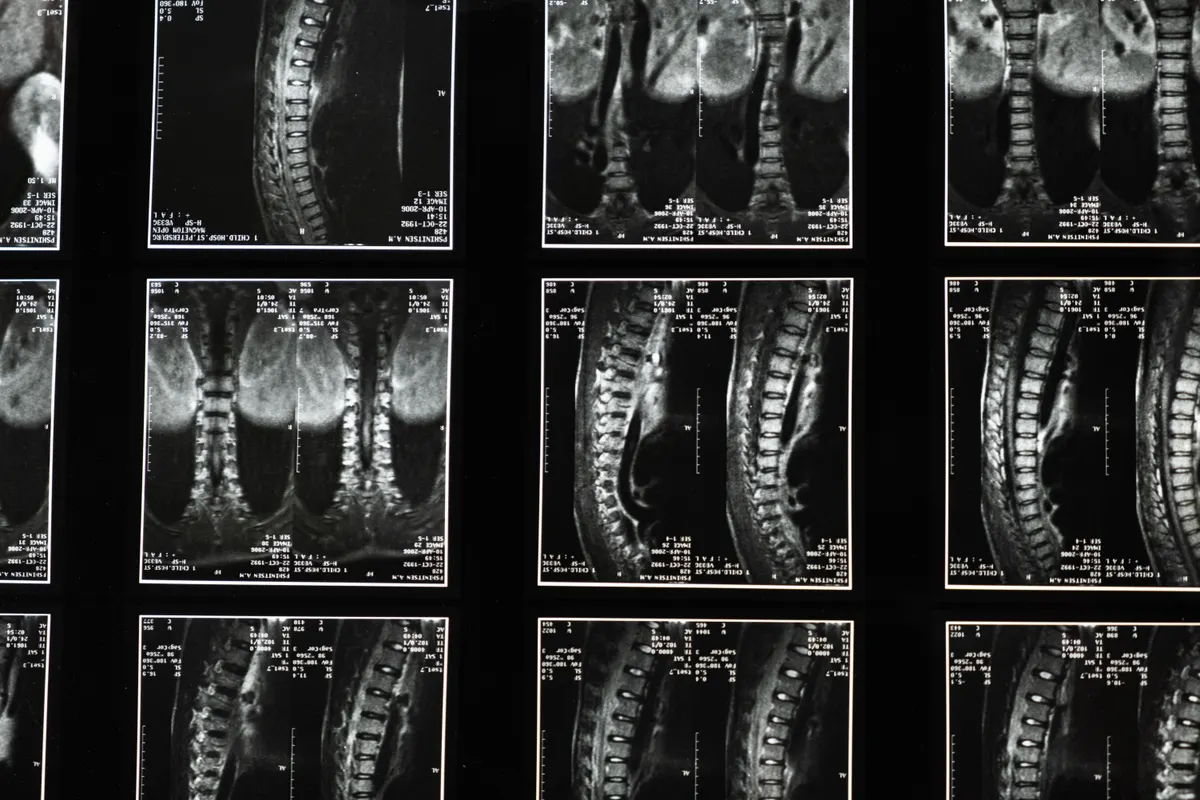
- Assess structural disc viability first: Intradiscal biologics require an intact outer disc wall (the annulus fibrosus) to retain the injected solution. High-resolution T2-weighted MRI imaging is necessary to evaluate whether disc height, hydration, and structural integrity are suitable for intradiscal injection.
- Prioritize biomechanical support: Biological injections do not replace physical stabilization. Targeted physical therapy focusing on core stabilization, lumbar extensor endurance, and low-impact movement remains essential to reduce mechanical stress across degenerative segments.
- Consider carrier scaffolds: To help stem cells survive the harsh disc interior, future protocols are combining cell therapies with specialized hydrogels and biomaterial scaffolds. These biomaterials protect cells from mechanical pressure and acidity while they integrate.
Study Strengths and Methodological Limitations
While the systematic review published in the International Journal of Molecular Sciences synthesized data from 1,694 initial records across major medical databases, several methodological limitations should be kept in mind. First, the quantitative meta-analysis relied on five randomized controlled trials for direct pooling, alongside an indirect Bucher comparison, because direct head-to-head clinical trials comparing PRP directly against MSCs in the same patient population are currently lacking.
Second, preparation protocols varied across the included studies. The concentration of platelets, the presence of white blood cells (leukocyte-rich versus leukocyte-poor PRP), the tissue source of MSCs (bone marrow versus adipose tissue), and total cell dosages were not standardized across all clinical sites. Finally, while select MSC prospective cohorts followed patients out to 72 months, longer-term randomized data past 12 months for PRP remain limited. Direct, standardized, head-to-head randomized trials are needed to define optimal dosing protocols and patient selection criteria.
This article is for educational and informational purposes only and does not constitute medical advice, diagnosis, or treatment recommendations. The biological and regenerative therapies discussed are experimental and may not be approved for routine clinical use in all jurisdictions. Always consult a qualified spine specialist or healthcare professional regarding your specific medical condition and treatment options. Never disregard professional medical advice or delay seeking care because of information contained in this article.
Sources & References
International journal of molecular sciences
Research Date: April 2026
PubMed ID: 42123394
Additional References
JOR Spine
Review of microenvironmental hurdles and cell survival in the nucleus pulposus
Bioengineering
Analysis of translational barriers in stem cell therapies for intervertebral disc degeneration
Current Pain and Headache Reports
Narrative review assessing economics and clinical considerations in spinal regenerative medicine
Related Intelligence Briefings
Hair Follicle Organoids and Cryomicroneedles: How New Bioengineering Grows Hair
Musculoskeletal Biological Age: How 39 Blood Proteins Predict Joint and Bone Decay
Medeze Stem Cell Banking Guide
Learn about autologous stem cell storage protocols, biological asset banking options, and Medeze's world-class GMP-certified laboratory.