Autologous Stem Cell Therapy: Is Fresh or Frozen Better for Recovery?
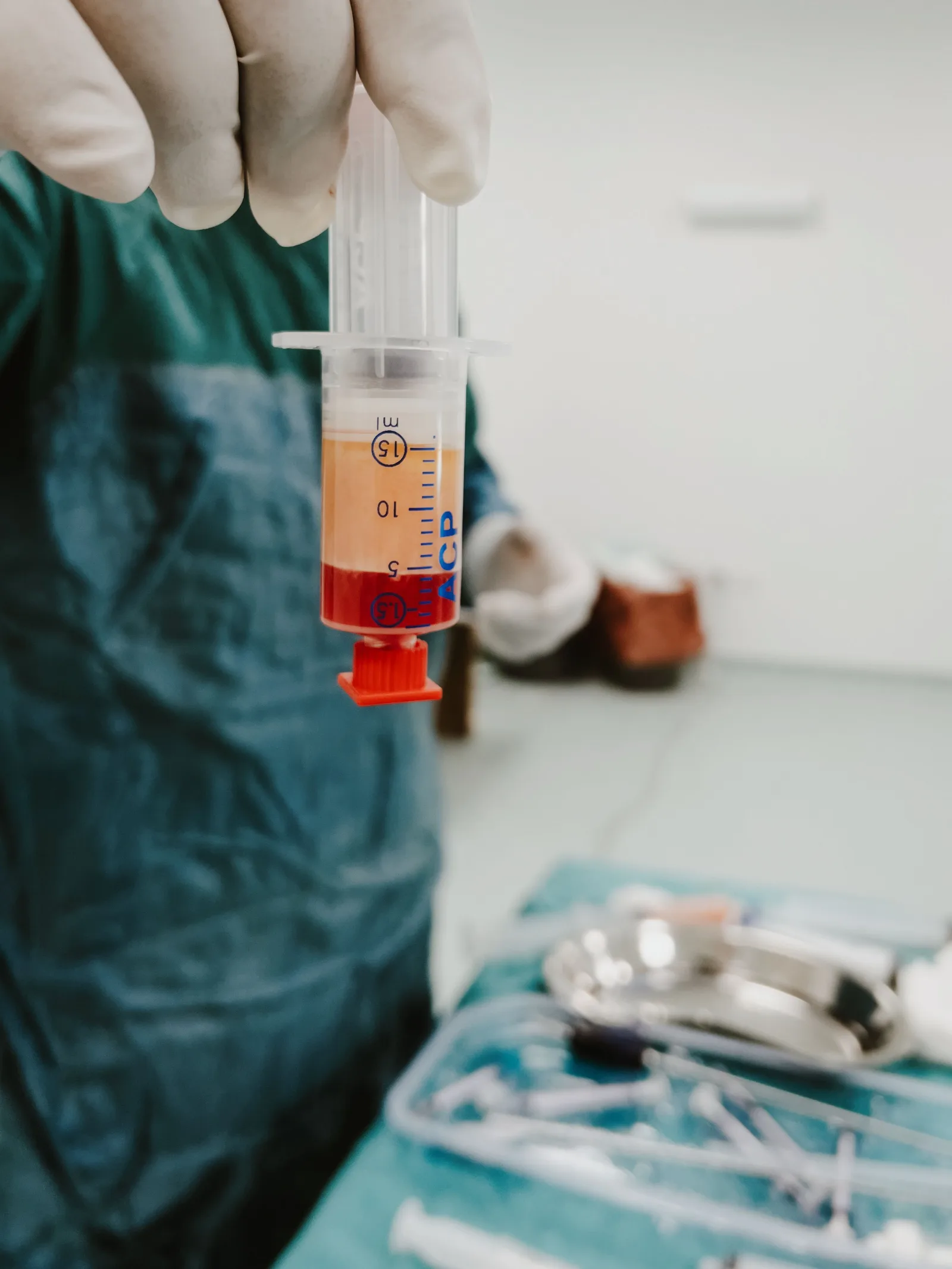
Photo by Mehmet Turgut Kirkgoz on Pexels
Executive Summary
"Discover how autologous stem cell therapy recovery is transformed by choosing fresh over frozen grafts, plus key ways to support your cellular reserves."
When patients undergo autologous stem cell therapy to combat blood cancers like multiple myeloma, they are essentially hitting a biological reset button. The procedure relies on harvesting a patient's own healthy stem cells and later reintroducing them to rebuild the immune system after aggressive chemotherapy. However, a major logistical debate has emerged in recent years regarding how these gathered cells are stored. Clinicians are weighing whether to freeze the cells, known as cryopreservation, or to transplant them fresh. To understand this dynamic, think of the system as a regional supply distribution center, representing the bone marrow's stem cells, and its local delivery fleets, representing the progenitor cells. Even when the central warehouse undergoes a deep-freeze shutdown or experiences aging delays, the local delivery drivers are highly resilient. They quickly find alternative routes to ensure the city's essential daily supplies, namely oxygen and immune defense, are delivered without interruption. This resilience of downstream cells is shifting how we view transplant recovery and cellular aging.
Clinical Protocol: Pre-Collection Optimization
Before undergoing stem cell collection, individuals can take proactive steps to optimize the bone marrow microenvironment.
- Nutritional Cofactors: Ensure adequate intake of methylfolate (400 to 800 micrograms daily), Vitamin B12 (methylcobalamin, 1,000 micrograms daily), and highly bioavailable active iron if recommended by a physician. These nutrients act as essential building blocks for DNA synthesis in rapidly dividing blood-forming cells.
- Physical Activity: Engage in consistent, moderate, weight-bearing exercise for 30 minutes daily to promote bone remodeling and stimulate the release of local cellular growth factors.
- Avoid Bone Marrow Stressors: Minimize exposure to environmental toxins, alcohol, and systemic inflammatory triggers at least four weeks prior to cell harvest to preserve the integrity of the cellular niche.
Clinical Reality: Recovery Timelines and Autologous Stem Cell Therapy Toxicity
While freezing stem cells provides hospitals with exceptional scheduling flexibility, the process of freezing and thawing may take a physical toll on the cells and, consequently, on the patient. A clinical study published in the Journal of Blood Medicine evaluated how the physical state of the transplant graft affects early patient outcomes. Researchers conducted a two-phase, non-randomized binational study across medical centers in Santiago, Chile, and Seville, Spain. In the retrospective phase, which took place between 2018 and 2023, doctors analyzed outcomes from 284 recipients of cryopreserved grafts and 148 recipients of non-cryopreserved, fresh grafts. The prospective phase, spanning 2023 to 2025, closely monitored 16 patients receiving cryopreserved grafts and 25 receiving fresh grafts, tracking both clinical recovery and specific blood markers of inflammation.
The findings revealed that fresh grafts led to a significantly smoother recovery process. Patients who received fresh stem cells achieved faster neutrophil engraftment, which is the point at which the newly transplanted stem cells start successfully producing white blood cells to fight infections. The fresh graft recipients achieved this milestone in a median of 11 days, compared to 14 to 15 days for those who received frozen grafts. Furthermore, the fresh graft cohort spent fewer days in the hospital, showing a median stay of 13 days compared to 18 days for the frozen group. This faster recovery is vital because it reduces the time patients spend in a vulnerable, immune-compromised state. Understanding how to support these cellular reserves is an active area of research, as explored in depth in our article on Why Your Body's Cell Reserves Are Key to Lifespan and How Autologous Stem Cell Therapy is Leading the Way.
Beyond hospital stays, the rate of severe transplant complications differed sharply between the two groups. Febrile neutropenia, a dangerous complication where a patient develops a fever while having low white blood cell counts, occurred in only 19 percent of patients who received fresh grafts, compared to 50 percent of those receiving frozen ones. Severe mucositis, painful inflammation and ulceration of the digestive tract lining, was also vastly reduced, occurring in 19 percent of the fresh graft group versus 60 percent of the frozen graft group. Blood analyses from the prospective phase showed that frozen grafts triggered higher levels of specific inflammatory and vascular markers, including interleukin-8 (IL-8) and vascular endothelial growth factor D (VEGF-D). This suggests that the process of freezing and thawing may damage cells, causing them to release inflammatory distress signals upon infusion, whereas fresh grafts maintain a more balanced cellular profile.
Clinical Protocol: Post-Transplant Recovery Protocol
Maximizing recovery speed and protecting newly engrafted cells requires diligent supportive care.
- Hydration and Mucosal Care: Maintain high fluid intake of 2 to 3 liters daily to support cellular hydration. Use preservative-free, saline-based oral rinses four to six times daily to protect the delicate lining of the mouth from severe mucositis.
- Infection Protection: Adhere to a strict neutropenic diet, which emphasizes fully cooked foods and avoiding raw or unpasteurized products, until absolute neutrophil counts rise consistently above 1,500 cells per microliter.
- Inflammatory Monitoring: Work with a medical team to track inflammatory blood markers regularly during the first 30 days post-transplant, allowing for early detection and management of hyper-inflammatory responses.
The Resilience Paradox: How Progenitor Cells Resist Hematopoietic Aging
The clinical challenges associated with frozen stem cells highlight a deeper biological conversation about cell resilience and aging. Hematopoiesis, the continuous process of blood cell creation in the bone marrow, naturally declines as we grow older. Over time, upstream hematopoietic stem cells, the parent cells that produce all blood components, begin to show signs of wear, losing their ability to self-renew efficiently. However, recent scientific insights reveal a fascinating paradox. While these master stem cells decline with age, their immediate downstream offspring, known as progenitor cells, display remarkable functional resistance to aging.
These progenitor cells act like the local delivery fleets in our supply chain metaphor. Even when the master stem cells are damaged by age or stressed by the cryopreservation process, the progenitor cells continue to function. They adapt and find alternative pathways to ensure the body keeps producing red blood cells to transport oxygen and white blood cells to defend against pathogens. This discovery suggests that our bodies possess a multi-layered defense mechanism. If the primary stem cells falter, these resilient downstream cells step in to maintain blood balance and immune defense. This cellular adaptability highlights the potential of optimizing our circulatory longevity through targeted biological interventions, a topic explored further in our coverage of Somatic Cell Mobilization and Circulatory Longevity: Optimizing the Anticancer Immune Response through Structured Aerobic Stress.
Action Protocol: Supporting Hematopoietic Resilience
To promote the endurance of downstream progenitor cells and support long-term blood health, consider these daily practices.
- Moderate Aerobic Stress: Incorporate structured aerobic exercise, such as brisk walking, cycling, or swimming, for 150 minutes per week. This natural physical stress stimulates the temporary mobilization of progenitor cells into the bloodstream, enhancing overall circulatory resilience.
- Targeted Antioxidant Support: Consume a diet rich in natural antioxidants, focusing on dark leafy greens, berries, and cruciferous vegetables, to help protect delicate blood-forming cells from oxidative damage.
- Restorative Sleep: Prioritize 7 to 9 hours of quality sleep per night, as the bone marrow's cell release patterns are tightly regulated by circadian rhythms and deep sleep cycles.
Therapeutic Frontiers: Rejuvenating the Bone Marrow Niche for Longevity
Unlocking the secrets of both stem cell preservation and progenitor cell resilience is opening new doors in regenerative medicine. The bone marrow niche, the specialized microenvironment where these blood-forming cells live and interact, plays a crucial role in overall health. As we age, this environment changes, becoming more inflammatory and less supportive of cell growth. By understanding how to keep this niche healthy, we can potentially rejuvenate the entire immune system, improving defense against infections and reducing systemic inflammation.
While the recent clinical study highlights the clear short-term recovery benefits of using fresh stem cell grafts, it is important to note its real-world limitations. The study was non-randomized and subject to the center-specific supportive care practices of the hospitals involved. Therefore, these findings represent real-world associations rather than absolute clinical proof. Nonetheless, they strongly support further prospective trials to optimize graft preservation. Whether protecting deep cellular reserves for a future medical procedure or supporting daily immune function, caring for the bone marrow niche is a vital part of a proactive longevity strategy.
Action Protocol: Longevity and Bone Marrow Niche Preservation
Protect your long-term cellular health by implementing these bone marrow preservation habits.
- Regular Weight-Bearing Stimulation: Perform strength training or high-impact exercises like jogging twice a week to signal to the skeletal system that it needs to maintain dense, healthy bone marrow spaces.
- Bone Density Nutrition: Ensure adequate blood levels of Vitamin D3 (typically aiming for 30 to 50 nanograms per milliliter, managed with a physician) and Vitamin K2 to ensure calcium is properly directed to the bone matrix.
- Systemic Inflammation Management: Work to keep chronic systemic inflammation low by managing stress, avoiding processed sugars, and prioritizing healthy fats like omega-3 fatty acids from wild-caught fish or high-quality supplements.
In summary, support your bone marrow microenvironment and healthy blood cell production by ensuring adequate intake of essential hematopoietic cofactors, such as methylfolate, Vitamin B12, and active iron, alongside regular weight-bearing exercise to stimulate bone remodeling.
This article is for informational and educational purposes only and does not constitute medical advice, diagnosis, or treatment. Readers should always consult a qualified healthcare professional or oncologist regarding their specific medical condition or treatment plan. Never disregard professional medical advice or delay seeking it because of something read in this article.
Sources & References
J Blood Med
Research Date: 2026
PubMed ID: 42504253
Related Intelligence Briefings
Cord Blood Stem Cell Cryopreservation: Does Storage Time Hurt Cell Quality?
PRP vs Stem Cell Injections for Disc Degeneration: What the Clinical Evidence Shows
Hair Follicle Organoids and Cryomicroneedles: How New Bioengineering Grows Hair
Medeze Stem Cell Banking Guide
Learn about autologous stem cell storage protocols, biological asset banking options, and Medeze's world-class GMP-certified laboratory.