Continuous Glucose Monitoring for Prediabetes: How Wearable Sensors Catch Hidden Metabolic Risk
Executive Summary
"Continuous glucose monitoring for prediabetes reveals hidden blood sugar spikes that standard HbA1c tests miss, improving early detection in Asian adults."
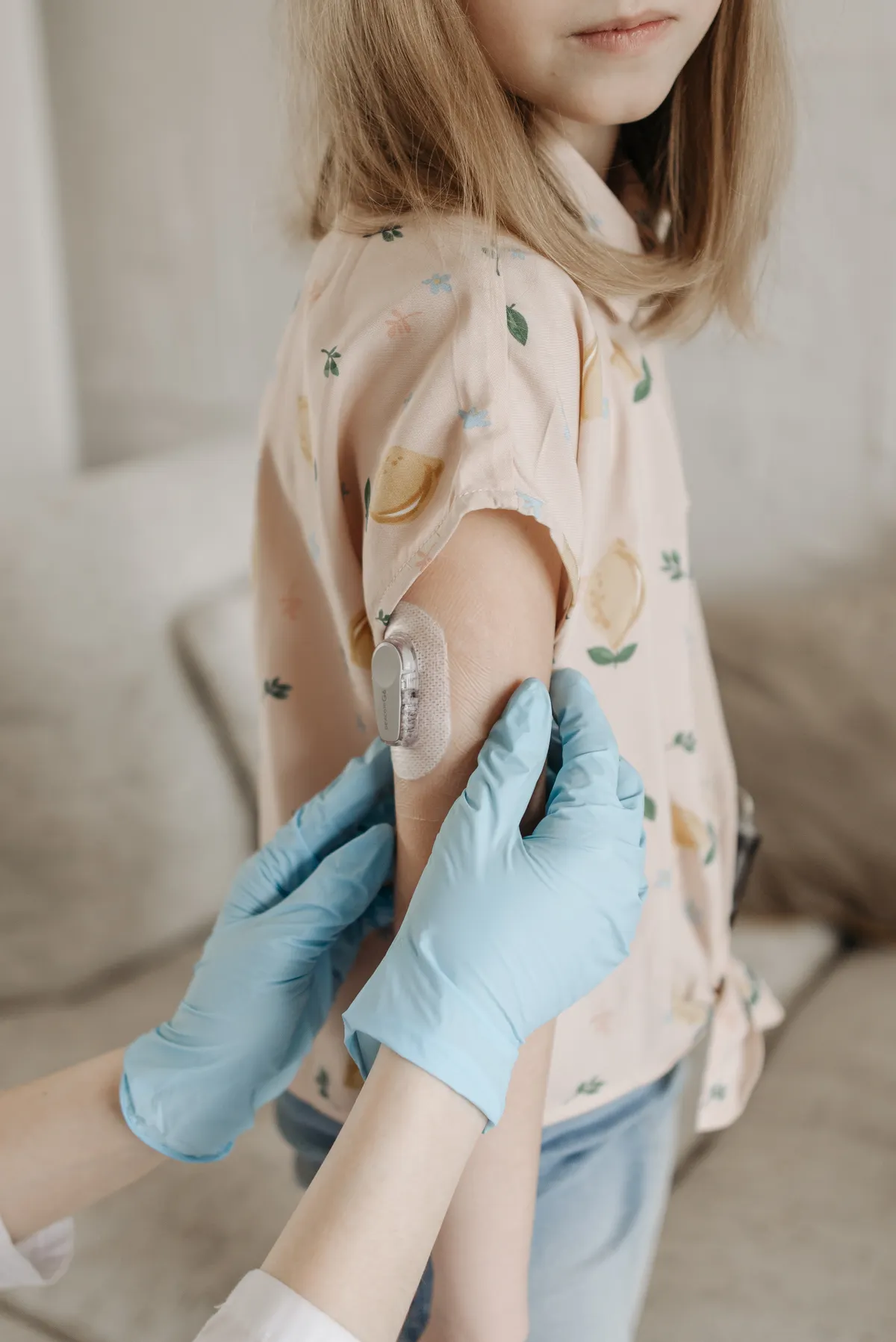
Continuous glucose monitoring for prediabetes is transforming how clinicians identify metabolic dysfunction before standard blood tests show any warning signs. For decades, routine screening for blood sugar disorders has relied almost exclusively on glycated hemoglobin, commonly known as HbA1c. This standard test measures the percentage of red blood cells coated with glucose, offering an average picture of blood sugar over the preceding two to three months.
Yet relying entirely on HbA1c is like looking at a single static photograph of highway traffic. The photograph might show an empty stretch of road at noon, completely missing the dangerous speeding surges, sudden braking, and severe rush-hour gridlock that occurred earlier that morning. In contrast, continuous glucose monitoring acts as a continuous, high-definition video camera. It records every rise, fall, and sudden spike in real time, capturing dynamic fluctuations that a three-month average completely smooths away. Recent clinical findings suggest this dynamic tracking can uncover hidden metabolic risks that traditional blood panels routinely overlook.
The Diagnostic Blindspot of Traditional Glycemic Testing
Standard diabetes screening protocols have a notable diagnostic blindspot, especially among Asian populations. Metabolic dysfunction in Asian individuals frequently develops at lower body mass index thresholds and can present with normal fasting glucose or standard HbA1c readings. In these individuals, underlying insulin resistance often surfaces first as rapid post-meal glucose spikes rather than sustained baseline elevations.
Because HbA1c calculates an arithmetic mean, severe post-meal spikes followed by rapid drops can average out to a seemingly healthy reading below 5.7 percent. As explored in research on adiposity-independent insulin resistance, individuals can experience profound metabolic strain within peripheral tissues while standard clinical markers remain nominally normal. When clinicians rely solely on the standard HbA1c cut-off, a substantial fraction of individuals who already have impaired glucose tolerance slip through the diagnostic net.
The oral glucose tolerance test, where a patient drinks a concentrated sugary solution and undergoes blood draws over two hours, catches many of these cases. However, it remains inconvenient, unpleasant for patients, and rarely administered during annual routine checkups. Consequently, a large segment of the population living with early metabolic decline remains unaware of their risk until beta-cell exhaustion in the pancreas accelerates.
Machine Learning and CGM: Unmasking Glycemic Volatility
To solve this screening gap, researchers investigated whether wearable sensors combined with computational algorithms could accurately flag early metabolic impairment. In a clinical model development study published in JMIR Diabetes, investigators evaluated 406 nondiabetic Asian adults in Singapore. Participants underwent standard oral glucose tolerance testing, had their fasting glucose and HbA1c measured, and wore a continuous glucose monitoring sensor for 14 days.
The diagnostic baseline revealed that out of 406 participants, 189 individuals (46.6 percent) actually met the criteria for prediabetes based on diagnostic blood tolerance tests. The cohort was predominantly female (58.1 percent) and of Chinese ethnicity (65.8 percent). When researchers analyzed the sensor data, participants with prediabetes exhibited significantly higher glycemic variability, spending more time in elevated glucose ranges and displaying wider daily swings, even when their HbA1c stayed well within standard normal limits.
To operationalize these observations, the researchers designed a two-step screening model. In the first step, individuals with an HbA1c of 5.7 percent or higher were automatically identified as having prediabetes. In the second step, the model applied machine learning algorithms to the 14-day continuous sensor profiles of individuals whose HbA1c was below 5.7 percent. By evaluating dynamic patterns such as peak postprandial excursions and nocturnal variability, the two-step model significantly improved detection sensitivity compared to HbA1c screening alone. The algorithmic analysis captured the volatile swings that a static blood test could not perceive.
Key Study Metrics and Cohort Findings
- Cohort Composition: 406 nondiabetic Asian adults in Singapore evaluated via oral glucose tolerance testing and 14-day continuous glucose monitoring.
- Hidden Prevalence: 46.6 percent (189 of 406 participants) were identified as having prediabetes via oral tolerance testing.
- Demographic Profile: 58.1 percent of participants were women, and 65.8 percent were of Chinese descent.
- Phenotypic Differences: Individuals with prediabetes were slightly older, heavier, and demonstrated significantly elevated glycemic variability compared to normoglycemic peers.
- Algorithmic Enhancement: Combining 14-day sensor feature extraction with HbA1c in a two-step framework resolved the sensitivity blindspot for individuals with HbA1c levels below 5.7 percent.
The Non-Diabetic CGM Movement: Clinical Utility vs. Wellness Trends
The findings from the Singapore cohort coincide with a surging interest in wearable biosensors among people without diagnosed diabetes. Millions of healthy consumers now use continuous glucose monitors paired with smartphone apps to guide everyday dietary choices and physical activity routines.
A retrospective observational study published in JMIR Human Factors examined real-world engagement patterns among users of the commercial digital health platform Vively. The study analyzed user demographics, sensor wear compliance, and digital food logging between August 2021 and February 2025. The researchers observed that real-time biofeedback fostered sustained user engagement with lifestyle tracking, helping individuals directly observe how specific meals and daily routines influenced their glycemic responses.
However, the commercial expansion of continuous glucose monitoring into the general wellness space has sparked debate among endocrinologists and public health experts. Medical commentators note that while real-time biofeedback can empower proactive lifestyle modifications, excessive fixation on minor, non-pathological blood sugar fluctuations can generate unnecessary health anxiety. Furthermore, consumer wellness apps sometimes encourage users to eliminate nutrient-dense complex carbohydrates out of fear of normal post-meal rises. The clinical value of continuous glucose monitoring lies in identifying sustained, excessive volatility and early insulin resistance, rather than enforcing a completely flat glucose line.
Study Limitations and Analytical Caveats
While the machine learning approach shows substantial promise, several methodological boundaries must be acknowledged. First, the primary prediction model was developed and validated within a single Asian cohort from Singapore. Because baseline beta-cell function, insulin sensitivity, and genetic risk profiles vary across global ethnicities, these algorithmic thresholds may require recalibration before application to other demographic groups.
Second, the study utilized a 14-day continuous monitoring window. While two weeks provides rich physiological data, requiring a two-week sensor application represents higher financial costs and logistical complexity than a simple annual blood draw. What the current evidence does not demonstrate is whether a shorter monitoring duration, such as three to five days, would yield equivalent diagnostic sensitivity. Long-term longitudinal trials will also be necessary to verify whether early detection via sensor algorithms translates directly into reduced rates of progression to type 2 diabetes over multi-year periods.
Actionable Glycemic Precision for Metabolic Longevity
Dynamic metabolic tracking reinforces that how the body processes meals in real time matters just as much as static baseline numbers. Insights from nutritional biology and metabolic research, including studies on overnight fasting and metabolic regulation, highlight several evidence-based habits to blunt postprandial glucose surges and protect pancreatic beta-cell function.
Action Protocol: Evidence-Based Glycemic Stabilization
- Post-Meal Mobility: Engage in 10 to 15 minutes of light to moderate walking immediately after carbohydrate-dense meals. Contracting skeletal muscles take up glucose directly from the bloodstream via insulin-independent pathways, flattening post-meal spikes.
- Nutrient Sequencing: Consume fibrous vegetables and protein sources before simple starches during main meals. Preloading meals with fiber and protein slows gastric emptying and moderates the rate of carbohydrate absorption in the small intestine.
- Consistent Monitoring Windows: For those utilizing personal glucose sensors, focus on observing the height of post-meal peaks (aiming to minimize sharp excursions above baseline) and overall recovery time rather than attempting to prevent all natural glucose fluctuations.
Integrating wearable sensor technology with smart predictive modeling represents a significant step forward in personalized metabolic health. By capturing the real-time volatility of human metabolism, clinicians and individuals can detect early signs of prediabetes and intervene long before static blood markers signal irreversible decline.
This article is for educational and informational purposes only and does not constitute medical advice, nor does it replace professional healthcare or clinical evaluation. Readers must consult a qualified healthcare professional or physician regarding their specific medical condition, diagnostic testing, or treatment plan. This publication does not provide medical diagnosis or treatment. Never disregard professional medical advice or delay seeking clinical care because of information contained in this publication.
Sources & References
JMIR diabetes
Research Date: April 2026
PubMed ID: 42044261
Additional References
JMIR Human Factors
Continuous Glucose Monitoring for Personalized Nutrition in Real-World Vively App Users: Retrospective Observational Study
Related Intelligence Briefings
Musculoskeletal Biological Age: How 39 Blood Proteins Predict Joint and Bone Decay
Smart Ring Sweat Biosensors: How Continuous Multi-Biomarker Tracking Works
Proteomic Organ Aging Clocks: How Blood Proteins Predict Disease Risk
Begin Your Biological Optimization Journey
Schedule a private consultation with the VAANAA clinical team to evaluate your biomarkers and build a personalized longevity protocol.