Evaluating the Metabolic Impact of Overnight Fasting Combined with Calorie Restriction in Type 2 Diabetes
Executive Summary
"An overnight intermittent fasting window combined with calorie restriction significantly accelerates weight loss and glycemic control in type 2 diabetes."
Adopting a structured routine of intermittent fasting for type 2 diabetes has transformed from a popular dietary trend into a clinically validated therapy for metabolic restoration. To understand how this works, think of the body's metabolism as a busy factory. Standard calorie restriction is like slowing down the conveyor belt. It reduces the incoming raw materials, but the machines are still running constantly. Introducing a twelve hour overnight fast is equivalent to implementing a scheduled nightly maintenance shutdown. This pause allows the maintenance crew to clear out cellular backlog, recalibrate the insulin sensors, and clean the machinery, ensuring the factory runs far more efficiently when the morning shift begins.
Recent clinical evidence indicates that shifting when we eat, rather than just what we eat, can have a profound impact on metabolic health. While traditional approaches often rely on rigid calorie cutting, modern metabolic science is moving toward personalized dietary blueprints that optimize both what we eat and when we eat. This temporal alignment triggers a cascade of restorative biological events, helping the body manage blood sugar and reduce weight far more effectively.
The Power of Timing: Beyond Calorie Counting in Type 2 Diabetes
For decades, the standard medical advice for weight management in Type 2 Diabetes has focused almost exclusively on reducing daily calories. However, a landmark three month randomized clinical trial published in the European Journal of Clinical Nutrition reveals that the timing of food intake serves as a critical variable in metabolic therapy. The trial analyzed 99 participants aged 21 to 60 living with Type 2 Diabetes Mellitus to compare standard calorie restriction against a combined fasting and calorie restriction regimen. This trial offers crucial insights into how modest timing changes can accelerate weight loss.
Researchers randomly assigned the participants into two distinct groups. Group 1, consisting of 48 participants, followed a twelve hour overnight intermittent fasting schedule combined with daily calorie restriction. Group 2, including 51 participants, practiced standard calorie restriction alone. Over the course of 12 weeks, both cohorts achieved noticeable progress, but the metabolic results between the two groups differed significantly by the end of the study.
The group combining the twelve hour overnight fast with calorie restriction achieved a 6.51 percent weight reduction. In comparison, the group utilizing calorie restriction alone achieved a 4.41 percent reduction. These findings indicate that integrating a modest, highly achievable twelve hour fasting window can accelerate calorie restriction weight loss without requiring further caloric deprivation. This simple temporal shift acts as an accelerator, helping the body burn fat more effectively during the overnight hours.
Glycemic Guardrails: Reimagining Insulin Sensitivity
Beyond simple weight loss, the primary trial demonstrated that adding a twelve hour intermittent fasting regimen to calorie restriction provided superior efficacy in improving glycemic control compared to calorie restriction alone. While the primary paper's findings emphasize this general improvement in blood sugar regulation, supporting research helps us understand the specific biochemical pathways at play. When the body goes without food for twelve hours, insulin levels drop. This drop gives the pancreas a rest and encourages target tissues to restore their sensitivity to insulin.
To understand these biological changes, clinical professionals look at biomarkers like glycated hemoglobin, which is a long-term marker reflecting average blood sugar levels over several months. Another important metric is HOMA-IR, which is a calculated index that helps measure the severity of insulin resistance. A separate clinical trial published in the Journal of Pharmacy & Bioallied Sciences evaluated 100 adults with Type 2 Diabetes to explore these biological markers. In that study, the intervention group followed an eight hour eating window, representing a sixteen hour daily fast, while the control group received non-dietary advice.
The researchers observed significant improvements in glycated hemoglobin, fasting glucose, and HOMA-IR in the fasting group. These findings suggest that structured fasting windows help reset the body's glucose-clearance mechanisms and reduce the physiological burden of chronic insulin resistance. This biological reset is closely linked to mitochondrial fuel dynamics, which dictates how cellular power plants switch between burning glucose and fats. While a sixteen hour fast is highly effective, the twelve hour window highlighted in the primary trial offers a far more sustainable, less intense starting point for patients trying to manage their glucose levels.
Clinical Realities: Managing Fasting Safely with Diabetes
While the metabolic benefits of intermittent fasting are clear, implementing these protocols requires a cautious, structured approach. Fasting is not a risk-free intervention, particularly for individuals managing a chronic metabolic condition. A narrative review published in the Journal of Family Medicine and Primary Care emphasizes that fasting patterns in people with diabetes require careful monitoring to actively manage risks like hypoglycemia, which is the clinical term for dangerously low blood sugar levels.
This review highlights that intermittent fasting has emerged as a promising strategy for both Type 1 and Type 2 diabetes. However, the risks of hypoglycemia and dehydration, the excessive loss of body water, are particularly notable. When individuals on blood-sugar-lowering medications fast, their bodies may experience sudden, unexpected drops in glucose. Medications must be carefully adjusted by a healthcare professional, and a physician must monitor the patient to safely scale back drug dosages as insulin sensitivity improves.
Clinical Protocol: Safe 12-Hour Fasting Integration
Based on clinical recommendations from the Journal of Family Medicine and Primary Care, individuals looking to adopt this approach should follow these safety steps:
- Consult Your Healthcare Provider: Before initiating any fasting routine, have your medical team evaluate your current medication regimen to adjust doses safely.
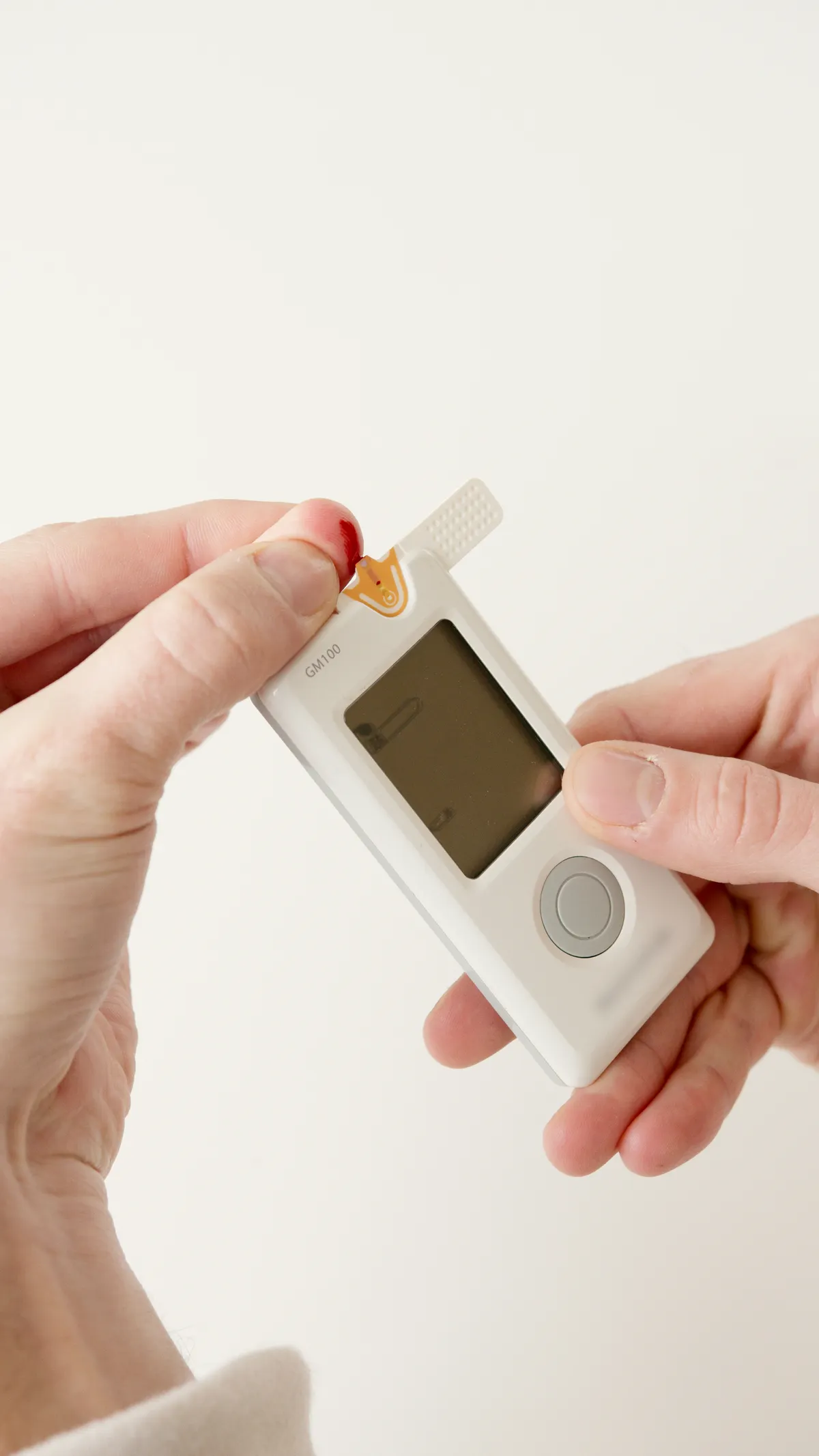
- Active Glucose Monitoring: Monitor blood glucose levels frequently. This is especially critical during medication dose adjustments to prevent sudden, dangerous drops.
- Track Ketone Levels: Monitor ketones, which are organic compounds produced when the body breaks down fat for energy. Tracking ketones is especially critical during medication dose adjustments to ensure overall metabolic safety.
- Prioritize Hydration: Drink plenty of water throughout the day to prevent dehydration, which is a common risk during fasting transitions.
Understanding the Limitations: What the Science Cannot Yet Tell Us
Although the results of these trials are promising, it is important to recognize the limitations of the current research. The primary randomized trial enrolled 99 participants and lasted for 12 weeks. While this duration is sufficient to observe short-term metabolic shifts, it does not tell us if the 6.51 percent weight reduction can be sustained over a year or longer. Additionally, because this was a single-center trial, the findings should be validated in larger, multi-center studies with diverse patient populations.
Furthermore, the primary trial did not directly compare different fasting durations, such as a twelve hour window versus a sixteen hour window, within the same cohort. While the supporting study in the Journal of Pharmacy & Bioallied Sciences demonstrated success with an eight hour eating window, we cannot definitively state which protocol is superior for long-term diabetes management.
Ultimately, returning to our metabolic factory metaphor, the scheduled nightly maintenance shutdown provided by a simple twelve hour overnight fast appears to be an effective, accessible tool. It does not require radical dietary deprivation, but rather a respect for natural biological timing. For many living with Type 2 Diabetes, managing when they eat may prove just as powerful as managing what they eat.
This article is for informational and educational purposes only and does not constitute medical advice, diagnosis, or treatment. The scientific findings discussed represent experimental research and should not replace professional medical care. Readers should always consult a qualified healthcare professional, such as an endocrinologist or a certified diabetes educator, before making any changes to their diet, fasting habits, or medication dosages. Never disregard professional medical advice, or delay seeking it, because of something you have read here.
Sources & References
European journal of clinical nutrition
Research Date: January 2026
PubMed ID: 41501473
Additional References
Journal of Family Medicine and Primary Care
Narrative review of the benefits and safety risks of intermittent fasting in diabetes
Journal of Pharmacy & Bioallied Sciences
Original research on the impact of an 8-hour eating window on glycemic control
Related Intelligence Briefings
Daily Eating Window Duration and Long-Term Mortality Risk in US Adults
The Multi-Receptor Agonist Era: Analyzing Muscle Preservation and Metabolic Health in Extreme Weight Reduction
Semaglutide Pregnancy Safety: How Weight Loss Drugs Impact the Uterus
Measure Your Biological Aging Rate
Curious about your biological insulin age? Use our interactive Biological ROI Calculator to estimate how stress and travel frequency accelerate your cellular depreciation.