The Fire Outside the Brain: How Peripheral Inflammation Fuels Parkinson's Disease
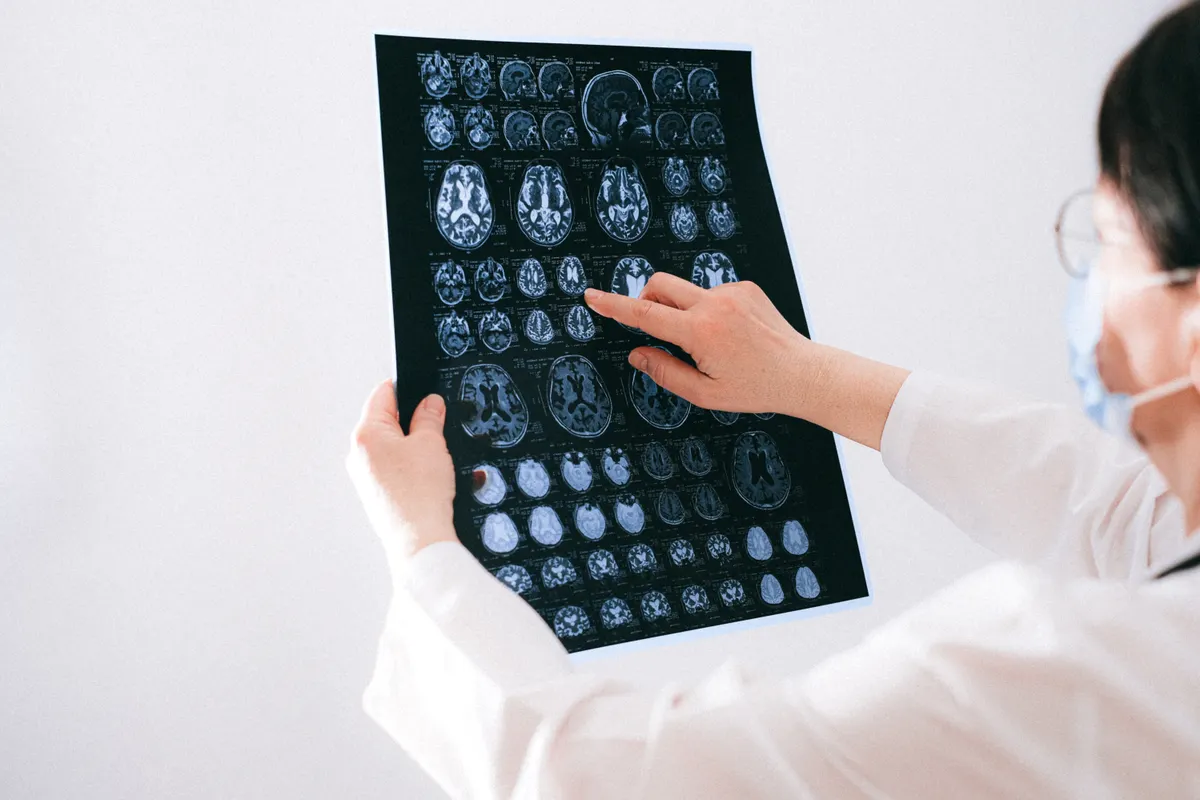
Executive Summary
"A groundbreaking study reveals how chronic inflammation in bodily organs travels to the brain via cellular bubbles, paving new ways to intercept Parkinson's."
The Fire Outside the Brain: How Peripheral Inflammation Fuels Parkinson's Disease
The Outpost Fire: Reconceptualizing Parkinson's as a Peripheral Disease
Emerging research suggests that peripheral inflammation, which is chronic irritation occurring in tissues outside of the central nervous system, may actually be the primary driver of neurodegenerative disease progression. For decades, medical science treated Parkinson's disease as an isolated neurological malfunction originating strictly within the brain itself. Scientists focused almost entirely on the loss of dopamine-producing cells in the deep structures of the midbrain. However, this classical view is undergoing a profound paradigm shift. Modern research suggests that the earliest sparks of this devastating condition may actually ignite far away from our cognitive centers.
Think of the human body as a vast, interconnected regional shipping and delivery network. In this system, the brain acts as the central metropolis while the peripheral organs represent outlying manufacturing suburbs. If a fire breaks out at a suburban packaging facility, the damage is rarely confined to that single outpost. In a similar manner, chronic inflammation arising in the gut, liver, or kidneys can slowly compromise systemic health. These local inflammatory events are often triggered by the natural biological aging process or specific genetic mutations associated with Parkinson's.
A groundbreaking study published in Nature Communications, and highlighted by the longevity news platform Lifespan.io, sheds light on this precise peripheral connection. Researchers discovered that cells carrying Parkinson's-linked genetic mutations produce high levels of inflammatory signaling proteins when stressed. Interestingly, this cellular stress occurs first in the body's peripheral tissues rather than in the brain. This suggests that the initial phase of the disease behaves like a silent, slow-burning fire in the body's outer territories. Over time, these local fires begin to send out dangerous cargo that travels through the bloodstream.
This peripheral origin story explains why many Parkinson's patients experience gastrointestinal issues and other systemic symptoms years before motor deficits appear. These early signs are not merely secondary side effects of a brain disorder. Instead, they represent the active, ongoing systemic inflammation that ultimately drives the disease forward. By recognizing that the roots of neurodegeneration lie outside the skull, scientists are discovering entirely new pathways for early diagnosis. This shift in perspective could redefine how we approach brain preservation and cellular cleanup in aging populations.
Trojan Horses of the Bloodstream: The Role of Extracellular Vesicles
To understand how a peripheral fire reaches the central metropolis, we must examine the body's molecular shipping vehicles. These vehicles are known as extracellular vesicles, which are tiny, membrane-bound bubbles released by cells to ferry cargo between tissues. Extracellular vesicles, or EVs, act like cargo trucks driving along the highway of the circulatory system. Normally, these bubbles carry harmless messages, proteins, and genetic material to help coordinate healthy cellular activities. However, when peripheral tissues are chronically inflamed, the cargo inside these trucks changes dramatically.
Under the influence of aging or genetic mutations, inflamed tissues begin loading these cargo trucks with hazardous, smoking packages. These packages contain highly inflammatory proteins, known as cytokines, which are molecules that signal the immune system to attack. Instead of being dismantled at local checkpoints, these toxic extracellular vesicles are released directly into the general bloodstream. They travel throughout the body, carrying their destructive cargo far from their point of origin. This mechanism allows local tissue stress to quickly become a systemic threat.
The most alarming characteristic of these rogue extracellular vesicles is their ability to navigate past security checkpoints. The brain is protected by a highly selective barrier called the blood-brain barrier, which is a tight network of blood vessels designed to keep harmful substances out of the central nervous system. Most large molecules and circulating toxins are easily blocked by this biological wall. However, extracellular vesicles possess a unique molecular passport that allows them to slip through or bypass this barrier entirely. They deliver their toxic inflammatory messages directly into the delicate environment of the brain.
By acting as biological Trojan horses, these vesicles bridge the gap between the body and the mind. They carry the physical distress of peripheral organs straight into our cognitive headquarters. This discovery helps resolve a long-standing medical mystery regarding how body-wide inflammation leads to targeted brain damage. The transport of these harmful packages highlights why maintaining overall vascular health is vital. If we can stabilize these cellular shipping lanes, we may prevent the transport of destructive signals before they ever reach our neural tissue.
The Neurological Spark: How Systemic Inflammation Triggers a Brain on Fire
Once these toxic extracellular vesicles successfully cross the blood-brain barrier, they release their dangerous cargo. This sudden influx of inflammatory molecules acts like a shower of burning sparks landing on a dry forest. The immediate targets of these signals are microglia, which are the specialized immune cells responsible for defending the brain. Under normal conditions, microglia act like vigilant security guards, sweeping up cellular debris and protecting neurons from infections. However, when they are bombarded by inflammatory signals from peripheral vesicles, their behavior changes destructively.
The incoming inflammatory cargo essentially sets off emergency alarms inside the brain's immunological headquarters. In response, the microglia shift into a state of hyper-activation, launching a massive inflammatory counter-attack. Instead of protecting the neural environment, these over-excited immune cells begin releasing their own wave of toxic chemicals. This process creates a self-sustaining cycle of inflammation inside the brain, which scientists refer to as neuroinflammation. This chronic, low-grade tissue irritation gradually damages the surrounding delicate neural pathways.
The primary victims of this persistent neurological fire are the dopamine-producing neurons located in the substantia nigra, which is the brain region that controls movement and coordination. These specific neurons are highly sensitive to oxidative stress, which is a state of cellular damage caused by unstable, reactive oxygen molecules. As the microglial activation continues unchecked, these vulnerable neurons begin to wither and die. The loss of these critical cells produces the classic motor symptoms of Parkinson's, including tremors, stiffness, and balance issues.
This elegant research demonstrates that Parkinson's pathology is not necessarily a localized brain failure. Instead, it is the tragic consequence of a continuous, body-to-brain inflammatory cascade. The brain on fire phenomenon is fueled by a constant stream of external instigators traveling through the bloodstream. This means that protecting the brain requires us to look beyond the central nervous system. By identifying the systemic sources of this inflammation, we can design therapies that extinguish the fire before it reaches the brain.
Systemic Interventions: Stopping Neurodegeneration at the Gates
The realization that peripheral inflammation drives brain decay opens up revolutionary possibilities for preventive medicine. Instead of trying to repair damaged brain cells after the disease has taken hold, we can intercept the disease at its systemic source. This proactive approach focuses on lowering the body's overall inflammatory tone before these signals can cross the blood-brain barrier. By targeting the health of peripheral tissues, we can reduce the production of toxic extracellular vesicles. This strategy effectively stops the neurological fire at the gates of the central nervous system.
One of the most promising areas of intervention is the gastrointestinal tract, which contains a massive portion of the body's immune system. A compromised gut barrier, often called a leaky gut, allows metabolic toxins to enter the bloodstream and trigger systemic inflammation. To combat this, prioritizing gut barrier integrity is a foundational step in any brain-preservation strategy. Consuming a diverse diet rich in dietary fibers helps nourish beneficial gut bacteria, which in turn produce short-chain fatty acids that strengthen the intestinal lining.
In addition to fiber, incorporating specific dietary compounds can significantly dampen the body's inflammatory responses. Natural compounds such as polyphenols, which are antioxidant molecules found in colorful plants, have been shown to calm overactive immune pathways. For instance, learning how polyphenols safeguard your brain can help individuals make highly targeted dietary choices. These compounds help stabilize cellular membranes and reduce the release of inflammatory vesicles from peripheral tissues, protecting the neural landscape from systemic damage.
Ultimately, managing our systemic health is the most reliable way to preserve our cognitive and neurological longevity. By treating the body and brain as a single, unified system, we can shift our medical focus from reactive treatment to proactive prevention. Maintaining low systemic inflammation through lifestyle, diet, and targeted therapies acts as a shield for our most vital organ. As science continues to map these complex pathways, our ability to ward off neurodegenerative conditions will depend on how well we care for our peripheral health.
Action Protocol: Reducing Systemic Inflammatory Tone
To minimize the generation of inflammatory extracellular vesicles and protect the central nervous system, consider the following evidence-based daily strategies:
- Support Gut Barrier Integrity: Consume at least 30 to 35 grams of diverse dietary fibers daily to promote the production of short-chain fatty acids, which reinforce the gut lining and prevent systemic immune activation.
- Incorporate Plant-Derived Polyphenols: Integrate high-polyphenol foods such as berries, green tea, and extra virgin olive oil into your daily meals to help neutralize circulating inflammatory cytokines.
- Optimize Sleep and Glycemic Control: Prioritize 7 to 8 hours of restorative sleep each night and manage postprandial glucose dynamics to reduce chronic cellular stress.
- Monitor Systemic Biomarkers: Work with a healthcare practitioner to track high-sensitivity C-reactive protein (hs-CRP) and other systemic inflammatory markers at regular intervals.
Scientific Limitations and Caveats
While these findings offer a fascinating new perspective on neurodegenerative disease development, it is important to acknowledge the limitations of the current research. The primary study utilized laboratory models and cell cultures to track the movement of extracellular vesicles from peripheral tissues to the brain. While these models are highly sophisticated, they do not perfectly replicate the complex physiology of a living human body. Human biological systems involve many overlapping cellular signaling pathways that can alter how these vesicles behave in real-world scenarios.
Additionally, the genetic mutations studied in this research represent specific, hereditary forms of Parkinson's disease. These hereditary cases account for only a small percentage of overall Parkinson's diagnoses, with the vast majority being classified as sporadic, meaning they develop without a clear genetic cause. Further clinical trials are necessary to determine whether sporadic Parkinson's follows this exact same peripheral inflammatory pathway. Until large-scale human cohort studies confirm these findings, these mechanisms should be viewed as a highly promising, but early-stage, scientific framework.
References & Sources
1. Lifespan.io. "Peripheral Inflammation May Drive Parkinson's." Lifespan.io News Coverage.
This content is for informational and educational purposes only. It is not intended to provide medical advice or to take the place of such advice or treatment from a personal physician. All readers of this content are advised to consult their doctors or qualified health professionals regarding specific health questions.
Original Scientific Source
Lifespan.io
Research Date: July 2026
Cognitive Longevity Protocol
Evaluate your biological biomarkers for brain health. Learn how targeted clinical protocols can mitigate cognitive depreciation and preserve clarity.