Natural Killer Cells & Somatic Reservoirs: The New Frontier in Age-Related Disease Intervention
Executive Summary
"Natural Killer (NK) cells represent a potent first-line defense against senescence and cellular mutation. Banking functional somatic reservoirs at peak vitality provides a critical therapeutic option for long-term healthspan extension."
Scientific Analysis & Clinical Interpretation
The Immunological Reservoir and the Aging Defense System
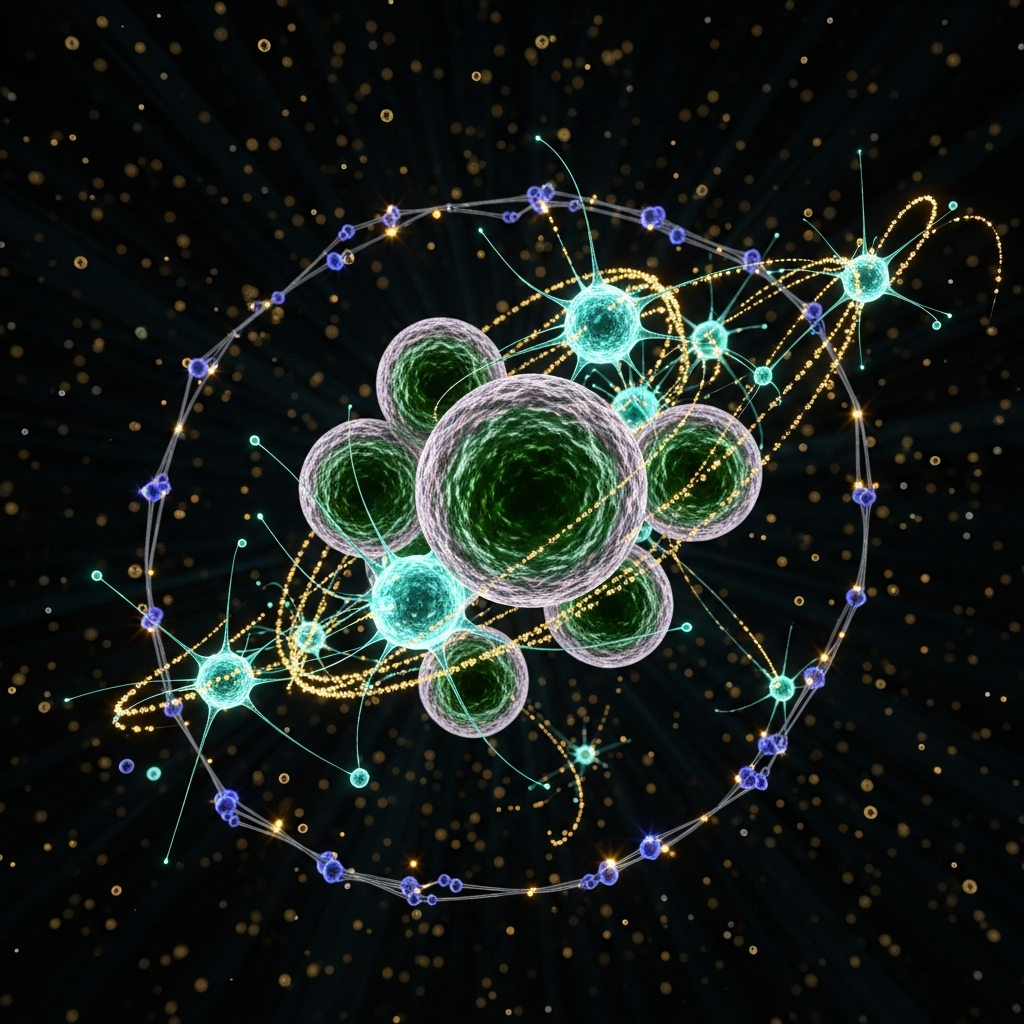
Natural Killer (NK) cells represent the front-line sentinels of the human immune system, playing a critical role in identifying and eliminating senescent, damaged, and mutated cells. Unlike T cells, which require complex antigen presentation to identify targets, NK cells scan cell surfaces for stress ligands and can launch a rapid cytotoxic response. This unique capability makes them the primary defense against systemic cellular mutation and tissue senescence. Storing a functional reservoir of these immune cells at peak vitality represents a significant advancement in personal health preservation.
As the human organism ages, the immune system undergoes a progressive decline known as immunosenescence. This deterioration reduces the body's capacity to fight off infections and clear away senescent cells, which secrete harmful pro-inflammatory factors that accelerate biological aging. Clinical data indicates that NK cell activity drops significantly after the age of fifty, coinciding with a spike in chronic inflammatory diseases and cellular mutations. Preserving these immune assets at a younger biological age locks in their youthful function, creating a robust shield against future age-related health risks.
Somatic cell biobanking of autologous Natural Killer cells provides a strategic option for long-term healthspan extension. By harvesting and cryopreserving these cells when they are young, healthy, and highly active, individuals establish a personal biological backup. This bio-reservoir can be accessed in the future to restore immune surveillance and bolster the body's natural defenses. This proactive strategy treats our cellular capital as a valuable asset, ensuring that we preserve our high-vitality immune cells before they undergo age-related decline.
The rapid growth of the global autologous cell banking and adoptive immunotherapy industry reflects the scientific validation of these cellular strategies. This field is moving away from reactive treatments toward preemptive preservation, treating stored cells as a personal biological insurance policy. The objective is to secure high-quality starting materials that can be cultured and expanded in the future for anti-aging therapies or cancer immunotherapy. Choosing an institutional-grade biobanking partner with verified clinical protocols is essential to ensuring the long-term viability of these stored immune assets.
Biophysical Mechanisms of NK Cell Action and Cryopreservation
At the molecular level, Natural Killer cells distinguish healthy tissue from abnormal cells through a delicate balance of activating and inhibiting surface receptors. When an NK cell encounters a stressed or mutated cell, the activating signals override the inhibitory checks, triggering a process called degranulation. During degranulation, the NK cell releases cytotoxic proteins, including perforin and granzymes, which punch holes in the target cell's membrane and induce rapid apoptosis. This targeted mechanism allows NK cells to eliminate damaged cells without causing damage to surrounding healthy tissue.
The physical cryopreservation of NK cells presents significant challenges due to their unique sensitivity to temperature transitions and cryoprotective agents. Unlike stem cells, immune cells are highly vulnerable to osmotic stress, membrane damage, and cytolytic granule disruption during the freezing and thawing processes. Without optimized, precise cooling protocols, cells can suffer from cryoinjury, resulting in a low survival rate and a loss of cytotoxic function upon thawing. This makes the design of specialized cell preservation media and cooling rates a critical area of biophysical research.
Recent breakthroughs in cryobiology are focused on developing cryopreservation formulations that do not rely on high concentrations of dimethyl sulfoxide (DMSO). While DMSO is the industry standard cryoprotectant, its systemic toxicity can cause adverse reactions in patients and induce genetic alterations in cells. Alternative formulations utilize biocompatible sugars, proteins, and cell-penetrating agents to protect the cell membrane during freezing without the toxic side effects of traditional media. This research is paving the way for safer, more effective cell-based therapies that preserve robust effector responses post-thaw.
Functional validation of cryopreserved NK cells extends beyond simple viability measurements to confirm their therapeutic readiness. A successful biobanking protocol must demonstrate that thawed cells retain high cell-membrane integrity and robust cytotoxic activity against target cells. The cells must also maintain their ability to migrate toward chemical signals, express key activating receptors, and secrete functional cytokines. Verifying these parameters ensures that when the cells are eventually re-infused into the body, they will behave exactly like freshly harvested cells, providing immediate therapeutic benefit.
The Medeze Partnership: Institutional-Grade Somatic Security
VAANAA's clinical operations are powered by the scientific foundation and track record of Medeze PCL, Thailand's largest GMP-certified, publicly traded stem cell biobank. With over fifteen years of operational excellence, Medeze provides the world-class laboratory infrastructure and clinical protocols that underpin every VAANAA program. As a pioneer in the field of regenerative medicine, Medeze has established a reputation for absolute compliance and quality control. This strategic partnership gives clients access to a level of cryopreservation security that is unmatched in the industry, combining clinical expertise with state-of-the-art biological custody.
The core of Medeze's processing capability lies in its highly advanced ISO-5 and Class 100 cleanrooms. These sterile environments are designed to eliminate airborne particulate matter and microbial contaminants, maintaining a constant flow of HEPA-filtered air under positive pressure. Processing cells in an ISO-5 environment ensures that the extraction, isolation, and preparation of stem cells occur under sterile conditions, eliminating the risk of introducing external pathogens. This level of environmental control is a mandatory requirement for clinical-grade cell manufacturing, protecting both the safety of the patient and the long-term purity of the biological sample.
Long-term storage security requires continuous, fail-safe monitoring of the cryopreservation environment. At Medeze, biological assets are stored in advanced vapor-phase liquid nitrogen tanks that maintain a constant temperature of minus one hundred and ninety-six degrees Celsius. This extreme cold halts all biological activity, effectively placing the cells in a state of suspended animation. The storage facilities are equipped with continuous liquid nitrogen monitoring systems and telemetry alarms that track temperature and pressure twenty-four hours a day, ensuring that any deviation is instantly detected and corrected before it can affect cell viability.
Validation and quality assurance are further reinforced through the use of automated cell counting systems and genetic screening. Medeze utilizes high-precision automated counters that measure cell viability and passage counts with absolute accuracy, removing the subjectivity associated with manual methods. Every batch of cells undergoes comprehensive sterility audits to confirm the complete absence of mycoplasma, endotoxins, and microbial contaminants. These rigorous testing protocols provide clients with a detailed, verified certificate of analysis for their stored cells, confirming their viability and clinical readiness.
With a legacy of serving over forty thousand patients across more than two hundred and ten partner hospitals, Medeze's clinical track record is a testament to its safety and efficacy. This extensive experience has allowed the organization to refine its cryopreservation and thawing protocols through thousands of successful procedures. By operating at this scale, Medeze has built an invaluable database of clinical outcomes and cell behavior, which directly informs the protocols used to process and preserve every new sample. This clinical depth provides a level of reassurance that is unique to established, institutional-grade biobanks.
Clinical Horizon: NK Cells in Regenerative and Anti-Senescence Medicine
The clinical application of autologous Natural Killer cells represents a major advancement in age-related disease intervention and regenerative medicine. In anti-senescence protocols, autologous NK cell infusions are being evaluated for their ability to systematically reduce the body's burden of senescent cells. By clearing away these dysfunctional cells, the infusions help lower chronic low-grade inflammation, promote tissue regeneration, and improve metabolic function. This approach targets the root biological drivers of aging, offering a systemic method for promoting longevity.
In the field of oncology, stored autologous NK cells provide a powerful resource for adoptive cell transfer therapies. Stored cells can be retrieved, expanded in a GMP-certified laboratory, and activated with cytokines before being re-infused into the patient to target malignant cells. Because the cells are autologous, there is zero risk of graft-versus-host disease or immunological rejection, allowing for a safe and targeted therapeutic profile. Having a cryopreserved reserve of young, highly active NK cells ensures that patients have immediate access to these customized cancer therapies when needed.
Ultimately, cryopreserving healthy immune cells provides individuals with a vital biological hedge against the somatic changes that occur during aging. As the field of immunotherapy continues to advance, the availability of high-quality autologous cells will become a key factor in accessing personalized medical treatments. Biobanking acts as a bridge between the biological vitality of today and the advanced medical technologies of tomorrow, ensuring that your cellular assets are safely preserved. This long-term investment in biological security offers peace of mind and secures your healthspan for the future.
Summary and Actionable Lifestyle Recommendations
In summary, autologous Natural Killer cell biobanking is a key component of a comprehensive, proactive longevity strategy. Preserving high-vitality immune cells requires strict GMP standards, advanced cryopreservation techniques, and continuous monitoring to ensure long-term functional recovery. By partnering with institutional-grade providers like Medeze PCL, individuals can secure their biological capital in state-of-the-art facilities, ensuring that their cells are processed and maintained under the absolute highest quality standards.
While cryopreservation secures your cellular resources for the future, maintaining your current biological health requires daily commitment to healthy lifestyle habits. To support your endogenous stem cell niches and maintain overall systemic vitality, focus on key lifestyle fundamentals. Aim to get seven to nine hours of high-quality sleep each night, as sleep is the primary period for cellular repair, growth hormone release, and immune system rejuvenation. Additionally, maintain proper hydration by drinking clean water throughout the day, which supports fluid circulation and cellular nutrient exchange.
Engaging in regular physical activity and managing daily stress are also critical components of a comprehensive longevity strategy. Incorporate both cardiovascular and moderate-intensity resistance exercise into your weekly routine, which helps stimulate circulation, support cardiovascular function, and promote natural tissue repair. To manage stress levels, practice daily relaxation techniques such as deep breathing exercises, mindfulness, or walking in nature. Combined with a balanced, nutrient-dense diet rich in whole foods, these daily habits help maintain an optimal environment for your cells to thrive.
Medical Disclaimer
This briefing is provided for educational, informational, and research purposes only. It does not constitute medical advice, diagnosis, treatment, or clinical recommendations. Autologous cellular storage and all associated regenerative therapies are medical procedures that require a complete clinical assessment by qualified healthcare professionals and must comply with all regional regulations and medical standards.
Original Scientific Source
Molecular Pharmaceutics
PubMed ID: 38230666
Begin Your Biological Optimization Journey
Schedule a private consultation with the VAANAA clinical team to evaluate your biomarkers and build a personalized longevity protocol.