Is the Erling Haaland Recovery Routine Safe? What Science Says
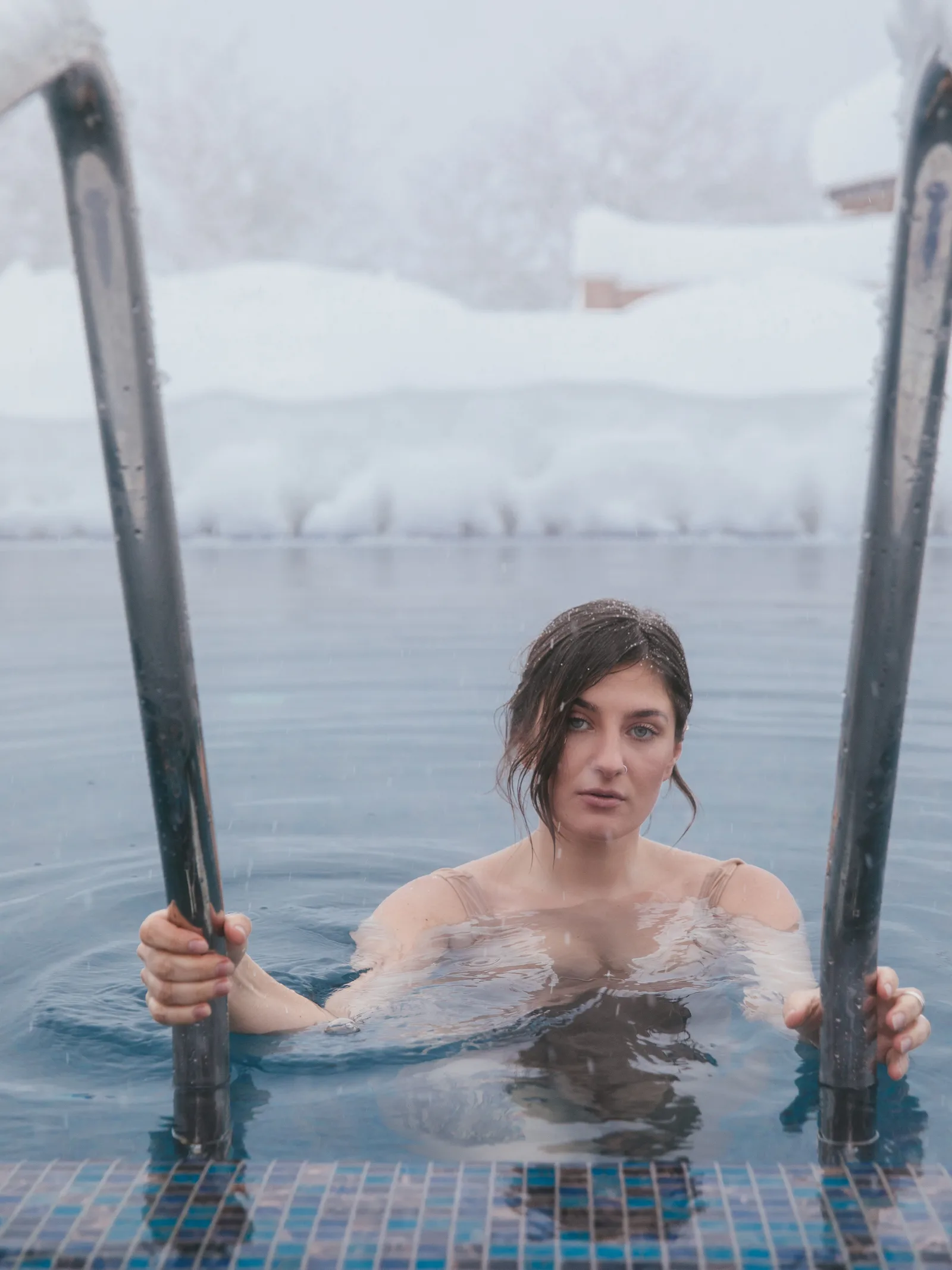
Photo by Yaroslav Shuraev on Pexels
Executive Summary
"Discover if the Erling Haaland recovery routine is safe. We analyze the science, benefits, and side effects of cold baths, hypoxia, and ancestral diets."
Is the Erling Haaland Recovery Routine Safe? What Science Says
Many high-performance enthusiasts are asking whether the intensive Erling Haaland recovery routine is safe to replicate at home. Recovery after hard physical effort is systematic rather than incidental: contrast therapy, careful nutrition, and uninterrupted deep sleep each supply a different part of what the body needs to rebuild overnight. However, this rigorous protocol carries notable safety considerations that must be understood before adoption. The known side effects of cold exposure include immediate cold shock, rapid hyperventilation, and temporary spikes in blood pressure. Additionally, individuals with cardiovascular conditions, cardiac arrhythmias, or Raynaud's phenomenon (a condition causing restricted blood flow to the extremities) are at significant risk during sudden temperature drops.
Passive hypoxic chambers, which simulate low-oxygen high-altitude environments, present further risks such as lightheadedness, arterial oxygen desaturation, and potential loss of consciousness if unmonitored. Furthermore, a diet heavily reliant on organ meats can trigger elevated uric acid levels, potentially leading to gout or kidney strain, and carries a risk of vitamin A toxicity. While the benefits of cold therapy for easing muscle soreness are well-established, using low-oxygen chambers for passive recovery remains largely unproven in large-scale clinical trials. Most of these athletic strategies are derived from small observational cohorts and lack the verification of multi-phase, randomized controlled studies. Consequently, everyday health seekers should approach these advanced interventions with caution and tailored medical guidance.
Cold Shock and Hypoxia: Re-engineering Muscle Recovery
To fully understand how extreme cold and low oxygen promote physical recovery, one must examine the underlying cellular adaptations. According to media coverage by Euronews, the application of rapid cold plunges and saunas acts as a powerful stimulus to combat athletic micro-tears and muscle fatigue. When the body enters freezing water, peripheral blood vessels rapidly constrict to shunt blood toward internal organs and protect core temperature. Upon exiting into a hot sauna, these vessels rapidly dilate, generating a vascular pumping action that flushes metabolic debris from muscle tissues. Commentators at NDTV Sports view this precise manipulation of temperature and environment as a form of bio-engineering. These stressors interface directly with the epigenetic state-response architecture, triggering natural cellular recycling and repair pathways.
At the cellular level, thermal stress encourages mitochondrial biogenesis (the biological creation of new, efficient energy producers inside cells). Meanwhile, sauna heat stimulates heat shock proteins (specialized molecules that repair damaged cellular structures and protect against stress). When combined with simulated altitude in a hypoxic chamber, these mechanisms trigger the release of erythropoietin (a natural hormone that stimulates red blood cell production). This hormone increases the oxygen-carrying capacity of the blood, allowing muscles to perform more efficiently over time. However, it is critical to note that high-quality, large-scale clinical trials on passive hypoxia for athletic recovery are scarce. Most evidence remains restricted to elite athletic organizations or small preprint observations that require further scientific validation.
Action Protocol: Thermal and Oxygen Adaptations
- Cold Exposure: Conclude daily showers with a 1 to 2 minute blast of cold water at roughly 12 to 15 degrees Celsius to stimulate cellular alertness.
- Contrast Cycling: If access to facilities is available, perform 3 rounds of 15 minutes of sauna followed by 2 minutes of cold plunging.
- Controlled Breathing: Practice structured diaphragmatic breathing for 5 minutes daily to help optimize blood oxygenation and calm the nervous system.
- Precautionary Boundary: Always monitor heart rate and avoid extreme temperature shifts if you have any history of cardiovascular issues.
The Circadian Blueprints: Why Deep Sleep is Haaland’s Secret Weapon
Beyond advanced cold therapies, consistent restorative sleep is the absolute foundation of deep physical restoration. Reports from CNBC TV18 emphasize that high-level recovery demands an exceptionally disciplined sleep routine. To optimize circadian rhythms (the internal biological clock that coordinates daily biological functions), orange-tinted glasses are worn hours before bed to block artificial blue light. This practice prevents screens from signaling to the brain that it is still daylight, allowing the endocrine system to prepare for rest. By aligning behaviors with natural solar cycles, individuals can significantly improve the speed and quality of deep sleep onset. This individualized approach is a hallmark of the medicine of the future, where personal physiological tracking replaces guesswork.
The primary physiological goal of this routine is to maximize stage-3 non-rapid eye movement sleep. During this deep sleep phase, the pituitary gland releases substantial human growth hormone to repair cellular damage and micro-tears in muscle tissue. Simultaneously, the brain activates its glymphatic system (a specialized fluid clearance pathway that flushes metabolic waste from neurological tissues). If this phase is cut short, cognitive focus declines and physical tissues remain under-recovered. While elite athletic camps utilize clinical-grade tracking rings to monitor these stages, the basic tenets of environmental cooling and darkness are highly accessible. Optimizing these factors provides a non-invasive, evidence-backed strategy to support natural endocrine recovery without pharmacological aid.
Action Protocol: Circadian Alignment and Deep Sleep
- Blue-Light Blocking: Wear amber or orange-tinted glasses 2 hours before bed, and dim overhead artificial household lighting.
- Temperature Optimization: Cool your sleeping environment to 16 to 18 degrees Celsius to assist your body's natural core temperature drop.
- Sensory Blackout: Use blackout curtains and eliminate ambient light sources from electronics to prevent nocturnal arousal.
- Consistent Sleep Window: Establish a fixed sleep and wake window daily, ensuring no more than a 30-minute variance even on weekends.
The Caveman Diet: Nutritional Density for Mitochondrial Fuel
Fueling high-performance physical demands requires high nutritional density alongside thermal and circadian recovery. As reported by beIN SPORTS, this nutrition program focuses heavily on raw and organic organ meats, specifically liver and heart, paired with filtered water. These animal tissues are exceptionally rich in highly bioavailable micronutrients (nutrients that are easily absorbed and used by human cells). Organic liver is an abundant source of vitamin A, iron, and crucial B vitamins that act as essential cofactors in metabolic energy pathways. Heart tissue provides high concentrations of Coenzyme Q10 (an enzyme vital for energy generation and cellular antioxidant defense). This distinct profile provides the building blocks for tissue repair without the glycemic spikes of processed foods.
However, clinical nutritionists urge caution regarding long-term, high-volume organ meat consumption due to specific health risks. Regular intake of organ meats can substantially increase uric acid (a metabolic waste product that can accumulate and trigger painful gout flare-ups). There is also a risk of vitamin A toxicity or iron overload, especially for individuals with underlying genetic metabolic predispositions. Many claims surrounding the superiority of raw ancestral diets are based on historical observations rather than robust, modern comparative clinical trials. Therefore, individuals should evaluate their unique blood markers, such as lipid profiles and iron levels, before adopting a specialized dietary strategy. Maintaining high-quality water filtration is a safe and universally beneficial baseline habit to reduce exposure to environmental contaminants.
Action Protocol: Ancestral Nutritional Density
- Gradual Integration: Limit organ meat intake to small, fully cooked portions of 50 to 100 grams once a week to monitor digestive tolerance.
- Hydration Filtration: Use a multi-stage water filter to eliminate municipal impurities and maintain optimal cellular hydration.
- Biomarker Tracking: Monitor blood uric acid, iron stores, and liver enzymes regularly when consuming nutrient-dense whole foods.
- Nutrient Variety: Balance dense proteins with a wide variety of fiber-rich, leafy vegetables to support kidney and bowel health.
Cognitive Sovereignty: Mental Resilience as Physical Recovery
Physical protocols are ultimately limited by the state of the nervous system that controls daily tissue healing. An analysis published by The New York Times demonstrates that mental composure directly influences physical recovery and athletic performance. Chronic daily stress keeps the sympathetic nervous system (the physiological fight-or-flight pathway) constantly active, which raises cortisol and delays tissue repair. To counteract this, elite performers incorporate mindfulness and conscious breathing to trigger a swift parasympathetic shift (the body's natural state of rest, digestion, and cellular recovery). This shift is mediated primarily by the vagus nerve (the major neural pathway connecting the brain to core internal organs). Actively stimulating this nerve lowers heart rate and signals that it is safe for cells to focus on structural rebuilding.
Physical recovery alone is not sufficient either: the mental load of competition weighs as heavily on performance as the tissue repair does. Similarly, the human body cannot rebuild its systems without dedicated periods of sensory rest and psychological decompression. Achieving this mental resilience does not require complex machinery or expensive subscriptions, as simple practices like daily silent walks and box breathing can yield profound physiological benefits. While advanced sports science continues to explore these combined modalities, the most reliable path to longevity remains grounded in the basics. Prioritizing consistent sleep hygiene, eating nutrient-dense whole foods, and managing mental stress form the core of a sustainable, health-protective lifestyle.
Action Protocol: Mind-Body Reset
- Vagal Stimulation: Spend 5 minutes twice daily practicing slow, deep diaphragmatic breathing to stimulate the vagus nerve.
- Digital Decompression: Dedicate at least 30 minutes daily to complete sensory rest, away from screens and work-related inputs.
- Mindfulness Grounding: Use brief, focused mental resets or meditation to actively lower stress hormones and shift into a restful state.
- Baselines First: Ensure basic sleep, hydration, and nutrition are fully optimized before layering on advanced physical recovery therapies.
This material is provided for educational and informational purposes only. It does not constitute medical advice, diagnosis, or treatment. Always consult a qualified healthcare professional before starting any new dietary, sleep, or recovery protocol, particularly regarding extreme thermal therapies or significant dietary changes. Never disregard professional medical advice, or delay seeking it, because of something you have read here.
Sources & References
Euronews.com
Research Date: July 2026
Additional References
NDTV Sports
Analytical commentary on modern human bio-engineering in elite sports performance
CNBC TV18
Research on sleep structures, blue-light filtering, and circadian synchronization
beIN SPORTS
Dietary composition, organ meat micronutrients, and hydration protocols
The New York Times
Exploration of mental focus and sports psychology as physical assets
Related Intelligence Briefings
Begin Your Biological Optimization Journey
Schedule a private consultation with the VAANAA clinical team to evaluate your biomarkers and build a personalized longevity protocol.