Proteomic Age Clocks: How Blood Protein Testing Predicts Chronic Disease Risk
Executive Summary
"Proteomic age clocks analyze thousands of blood proteins to track organ decline, predict chronic diseases, and measure biological aging years before symptoms."
Imagine a modern airport flight-control tower running real-time diagnostics on thousands of airborne planes simultaneously. Long before a pilot notices an engine stutter or a dashboard warning light flickers, ground sensors detect micro-level component wear and localized atmospheric turbulence. Human biology operates on a remarkably similar principle. While your calendar age counts birthdays, your circulating proteins report minute-by-minute wear across your vital organs.
Recent scientific breakthroughs in high-throughput proteomics are turning simple blood samples into comprehensive biological dashboards. In a benchmark study published in Nature Aging, researchers analyzed blood samples from 17,473 participants in the European Prospective Investigation into Cancer and Nutrition (EPIC) cohort. By tracking thousands of circulating proteins over up to 28 years of follow-up, the research team demonstrated that plasma protein profiles predict chronic illness and all-cause mortality with an accuracy comparable to classical aggregated lifestyle risk factors.
From Chronological Years to Molecular Dashboards
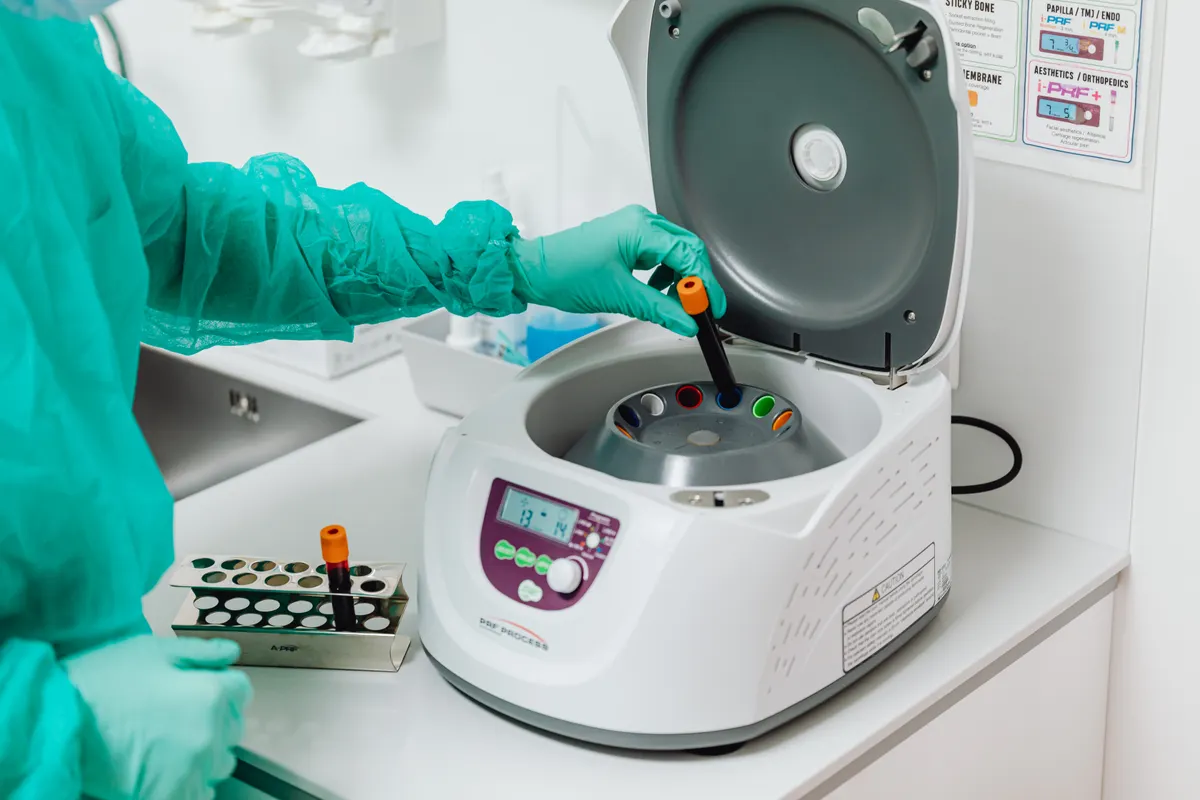
Chronological age is a blunt tool. Two individuals who are both 50 years old can possess radically different cardiovascular resilience, metabolic function, and cellular vitality. To capture these critical differences, scientists use the SomaScan platform, an advanced high-throughput technology that captures thousands of distinct proteins in a single drop of blood plasma. As tissues experience stress, inflammation, or functional decline, they shed characteristic protein fingerprints into the bloodstream.
By comparing these circulating signals against chronological benchmarks, researchers calculate what is known as a global proteomic age gap. This score quantifies whether an individual is biologically older or younger than their chronological years. In the EPIC cohort, an accelerated global age gap was strongly associated with a higher risk of mortality, cardiovascular diseases, dementia, and various malignancies, including cancers of the liver and upper aero-digestive tract. The findings were subsequently replicated in the independent Whitehall II cohort, confirming that circulating plasma protein patterns reliably reflect systemic biological aging across diverse populations.
As explored in our analysis of multi-omics biological aging clocks, combining distinct molecular layers gives scientists an unprecedented look into early systemic stress.
Organ-Specific Clocks and Disease Forewarning
Biological aging does not proceed at a uniform pace throughout the human body. An individual may maintain youthful cardiovascular health while their kidneys or lungs experience accelerated physiological wear. To address this biological heterogeneity, researchers developed organ-specific proteomic clocks that isolate protein signals shed by specific anatomical compartments.
The EPIC study demonstrated that organ-specific clocks offer superior predictive power for localized conditions. While the global score tracks overall mortality, organ-specific age gaps showed significantly stronger associations with corresponding malignancies, specifically lung, kidney, and stomach cancers. For instance, accelerated proteomic aging in kidney-derived proteins signaled localized renal vulnerability long before standard clinical filtration tests detected kidney dysfunction.
These findings mirror broader international data. In a study published in EBioMedicine, researchers evaluated 18 organ-specific proteomic clocks in the China Kadoorie Biobank, which profiled approximately 4,000 individuals using both Olink and SomaScan platforms. The authors confirmed that organ-specific protein gaps predict incident chronic disease and age-related traits across distinct genetic ancestries.
Building on this organ-level precision, research published in Cell Reports Medicine mapped over 7,000 plasma proteins to more than 40 distinct cell types across a cohort of 60,000 individuals. That investigation demonstrated that cell-type-specific aging is measurable from blood alone and predicts neurodegenerative disease, cancer, and mortality up to 15 years prior to clinical symptoms.
For a deeper analysis of how individual organs experience biological wear at different rates, see our briefing on organ-specific age proteomics and bio-depreciation.
Lifestyle Drivers vs. Pharmacological Reversibility
What drives biological acceleration in our blood? In the EPIC cohort, classical lifestyle risk factors accounted for a significant portion of the expanded proteomic age gap. Regular tobacco smoking, heavy alcohol intake, and physical inactivity correlated directly with older protein profiles. In contrast, individuals who maintained consistent physical activity and avoided toxic exposures exhibited biological profiles younger than their calendar years.
At the cellular level, these lifestyle factors promote chronic low-grade inflammation, metabolic stress, and extracellular matrix remodeling (the breakdown of the structural scaffolding that supports cells). According to a comprehensive review in Frontiers in Aging, specific circulating biomarkers such as interleukin-6, C-reactive protein, CXCL9, CXCL10, GDF15, VCAM-1, and neurofilament light chain consistently reflect multisystem decline across cardiovascular, immune, metabolic, and nervous systems.
Beyond lifestyle factors, researchers are testing whether pharmacological interventions can directly alter these biological age signatures. As reported by Lifespan.io, early clinical observations indicated that patients taking rentosertib, an experimental lung fibrosis therapy, exhibited younger blood protein profiles across six different aging clocks. While this observation highlights the dynamic plasticity of circulating proteins, broader clinical trials are necessary to verify whether modifying proteomic scores translates into tangible long-term survival improvements.
Key Research Findings at a Glance
- Massive Long-Term Cohort: Analysis of 17,473 participants in the EPIC study with up to 28 years of follow-up confirmed that proteomic age gaps reliably predict 24 incident chronic diseases, dementia, cardiovascular conditions, and all-cause mortality.
- Precision Organ Tracking: Organ-specific proteomic age gaps showed superior predictive performance for localized malignancies, specifically demonstrating stronger associations with lung, kidney, and stomach cancers.
- Cellular Resolution: Deep mapping of over 7,000 proteins to 40 cell types across 60,000 individuals showed that blood-based cellular aging can forecast neurodegenerative conditions and mortality up to 15 years in advance.
- Predictive Parity: The predictive accuracy of proteomic aging clocks for all-cause mortality matched the predictive performance of aggregated classical lifestyle risk factors.
Study Limitations and Research Boundaries
While proteomic aging clocks represent a notable advancement in preventive medicine, several methodological considerations and boundaries should be kept in mind:
- Observational Associations: The EPIC, Whitehall II, and China Kadoorie Biobank cohorts are observational epidemiological studies. While proteomic age gaps correlate strongly with disease incidence and mortality, these associations do not establish direct molecular causation for every identified circulating protein.
- Platform Differences: Variations exist between different proteomic discovery tools, such as SomaScan (aptamer-based binding arrays) and Olink (antibody-based proximity extension assays). Full standardization and cross-platform calibration across commercial laboratories are ongoing.
- Acute Physiological Fluctuations: Circulating plasma proteins can shift in response to transient infections, acute trauma, or intense temporary stress, which could temporarily alter biological age estimates if not verified through repeat measurements over time.
- Early-Stage Drug Evidence: Pharmacological findings involving biological age reduction, such as experimental anti-fibrotic compounds, remain in early investigation and have not yet established disease prevention efficacy in broad, healthy human populations.
Translational Horizons: Precision Longevity in Practice
Proteomic clocks represent a profound shift from reactive symptom treatment to early molecular surveillance. By capturing subtle biological wear across individual organs, these tools provide an objective measure of physiological resilience.
Translating this science into personal health management involves addressing the primary risk factors identified in large-scale human cohorts. The epidemiological data consistently show that eliminating tobacco smoke, moderating alcohol consumption, and sustaining routine aerobic exercise directly correlate with younger circulating proteomic profiles. In future clinical practice, combining periodic proteomic testing with standard metabolic panels may enable physicians to detect localized organ decline decades before clinical symptoms appear, allowing for timely, targeted health interventions.
This article is for informational and educational purposes only and does not constitute medical advice, diagnosis, or treatment. Proteomic aging clocks and experimental therapies discussed in this briefing are research-stage technologies. Always consult a qualified physician or healthcare provider regarding any personal medical condition, diagnostic testing, or lifestyle modification. Never disregard professional medical advice or delay seeking it because of information contained in this publication.
Sources & References
Nature aging
Research Date: June 2026
PubMed ID: 42373948
Additional References
EBioMedicine
Proteomic organ-specific signatures, ageing traits, disease risks and genetic architecture in an East Asian population
Cell Reports Medicine
Translating cellular aging clocks into disease risk prediction
Frontiers in Aging
Proteomics of aging: biomarkers for physiological systems and diseases
Lifespan.io
Lung Fibrosis Drug Lowers Biological Age Estimates
Related Intelligence Briefings
Proteomic Organ Aging Clocks: How Blood Proteins Predict Disease Risk
Liquid Biopsy ctDNA Testing for Pediatric Tumors: What the Science Shows
Triple Negative Breast Cancer ctDNA Blood Test: What the Science Shows
Begin Your Biological Optimization Journey
Schedule a private consultation with the VAANAA clinical team to evaluate your biomarkers and build a personalized longevity protocol.