DMT and Meditation Brain Connectivity: What fMRI Scans Reveal
Executive Summary
"Explore how DMT and meditation brain connectivity changes the mind, bridging deep mindfulness with the rapid neural shifts of psychedelic integration."
Understanding how DMT and meditation brain connectivity shifts during contemplative states is a major milestone in modern neuroscience. To visualize how these states interact within the central nervous system, imagine a master gardener managing a sprawling botanical garden. Under one approach, the gardener performs precise, careful pruning. This process cleanly separates the individual flowerbeds so that each unique plant species can be observed in sharp, distinct focus. Under another approach, a sudden, warm windstorm sweeps through the garden. This storm carries pollen over the stone walls, forcing separated sections to communicate and cross-pollinate, without permanently knocking down the structural boundaries of the garden.
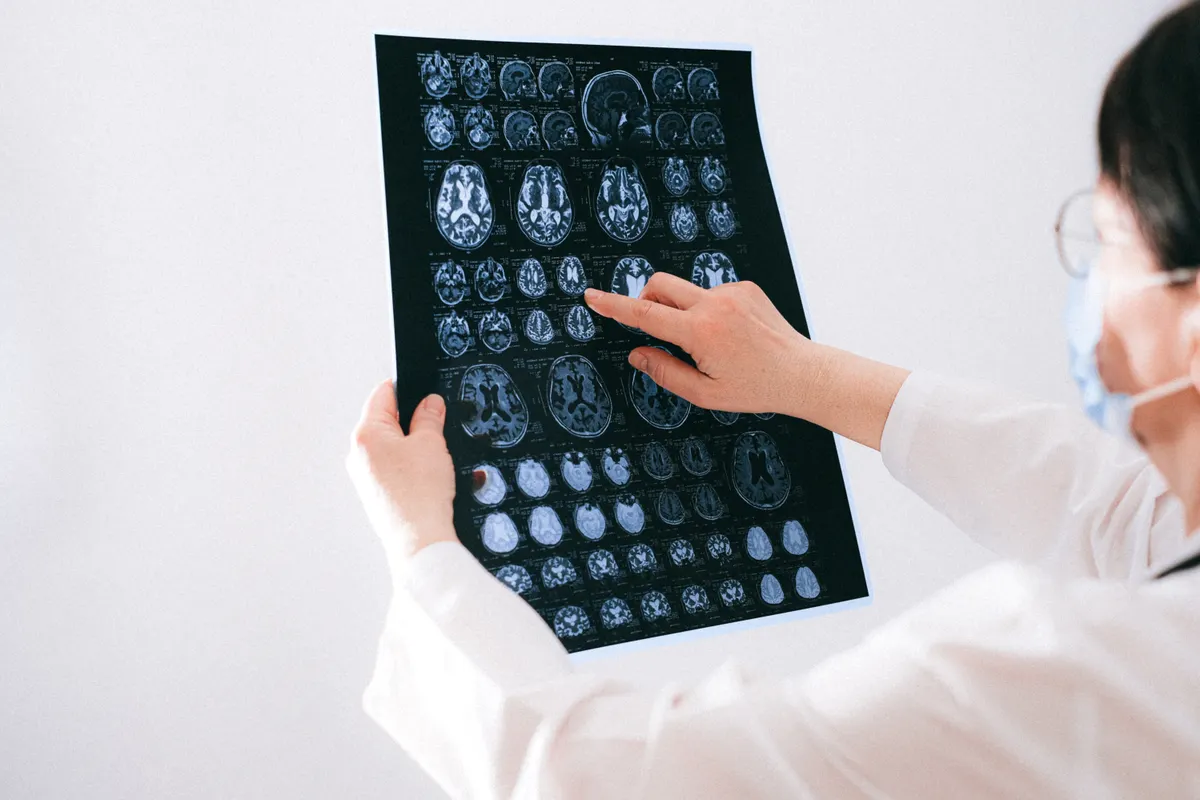
In human neuroscience, these two gardening strategies represent distinct ways of modifying brain activity. A landmark double-blind, placebo-controlled clinical trial published in the journal Imaging Neuroscience investigated these exact dynamics. The study analyzed how a specific mindfulness meditation retreat and a combination of natural compounds, N,N-dimethyltryptamine (DMT) and harmine, shape resting-state functional connectivity, which is a measure of how synchronized the activity is between different regions of the brain. By evaluating 40 meditation practitioners over a three-day retreat, researchers mapped the neurobiological footprints of both traditional mindfulness and psychedelic-assisted contemplation. The scans were performed two days before and two days after the administration of the compounds, offering a clear window into their post-acute effects.
How DMT and Meditation Brain Connectivity Differs in fMRI Scans
For the practitioners who received the inactive placebo, the meditation retreat significantly increased network segregation. In the field of neurobiology, network segregation refers to the degree to which individual functional networks in the brain operate independently without blending into others. In our garden analogy, meditation acted as the precise pruning process. It clarified the boundaries between neural networks, allowing each to function with minimal outward noise. This clean separation of networks may explain how mindfulness helps calm an overactive mind. For individuals utilizing mindfulness for depression, this network segregation can help break the rigid, ruminative thought loops that keep the mind trapped in negative cycles.
In contrast, the group that received buccal DMT-harmine, containing 120 milligrams of each compound absorbed through the cheek, showed a dramatic shift in brain connectivity. Instead of increased segregation, this group experienced heightened functional connectivity within the visual network. They also showed increased connectivity between the visual and attention networks, and between the visual and the salience network, which is the neural system that helps the brain identify and prioritize important external and internal stimuli. Like the warm windstorm carrying pollen, the psychedelic compound forced normally separated sensory and attention networks to communicate with one another. These changes were measured two days after administration, showing that the effects persisted beyond the acute phase of the substance.
The Overlapping Spectrum of Altered States
While meditation and psychedelics alter the brain in distinct ways, they also share surprising similarities. Intensive contemplative practices can sometimes trigger states of consciousness that feel remarkably similar to psychedelic experiences. A study published in Scientific Reports used natural language processing to compare the written reports of 197 participants. Natural language processing, or NLP, is a computational technique used to analyze the patterns, structure, and emotional tone of written text.
The researchers evaluated reports from 134 individuals describing psychedelic-facilitated experiences and 63 individuals describing meditation-facilitated experiences. The semantic and lexical contents of both types of reports were highly similar. Both groups expressed positive emotions on average. However, the study also identified key differences. Psychedelic reports were more emotionally charged, showing higher levels of positive and negative sentiments compared to more neutral meditation experiences. This suggests that while both paths can lead to a similar core of mystical realization, they navigate very different phenomenological routes.
The Synergy Loop: How Psychedelics and Mindfulness Co-Facilitate Growth
The relationship between these two practices appears to be deeply complementary and bidirectional. Mindfulness can serve as a supportive container for navigating the intense landscapes of a psychedelic journey. Conversely, a psychedelic experience can act as a catalyst for establishing healthier daily habits.
A survey-based study published in PLoS ONE evaluated 863 regular meditators who reported using psychedelics. These participants had maintained a regular meditation practice of at least three sessions per week over the preceding 12 months. The survey explored how these individuals perceived the relationship between the two modalities. A significant portion of these meditators reported that psychedelic experiences had a positive influence on their quality of meditation.
Furthermore, these compounds may help establish healthier behavioral patterns more broadly. Another study published in Scientific Reports surveyed 96 practitioners who work with clients in psychedelic contexts. These practitioners reported that after psychedelic experiences, clients frequently initiated positive changes in physical activity, diet, nature time, and contemplative practices. This suggests that the neuroplastic window opened by these experiences can make the brain more receptive to adopting healthy, long-term habits. Maintaining a resilient nervous system and positive habits is a core aspect of protecting cognitive health, as discussed in our guide on healthy brain aging.
Anchoring the Experience: Integration, Safety, and the Return to Earth
One of the most reassuring findings from the primary fMRI study in Imaging Neuroscience was the lack of prolonged cortical gradient disruption. Cortical gradients are biological frameworks that map how basic sensory inputs transition into complex abstract thoughts across the brain's surface. In our botanical garden, this is equivalent to the overall layout of the pathways and garden walls remaining completely secure. Despite the brief windstorm carrying pollen across boundaries, the garden did not lose its foundational design. The fMRI scans taken two days after administration showed that the brains of the DMT-harmine group had returned to their typical organization. This indicates that the brain possesses a natural resilience and successfully reorganizes itself shortly after the experience.
However, returning to daily life after a profound shift in consciousness can be challenging. Some individuals experience ontological shock, which is a state of deep existential confusion regarding the nature of reality and existence. A qualitative study published in PLoS ONE conducted semi-structured interviews with 26 people experiencing persistent existential struggles following psychedelic use. The participants described feeling ungrounded and disconnected from their former lives. They noted that they managed to alleviate their distress primarily through grounding, which involved practices of embodiment and the social and cognitive normalization of their experience.
To safely evaluate these potential therapies, clinical research must be highly structured. A scoping review in Clinical Pharmacology and Therapeutics systematically mapped 26 registered interventional trials of DMT and ayahuasca on ClinicalTrials.gov. The review noted that these trials, which are primarily in their early stages, are designed to evaluate safety, dosing protocols, and administration routes. This systematic mapping is designed to test methods and design choices to ensure future clinical applications are grounded in rigorous science.
Future Research on DMT and Meditation Brain Connectivity
Following any intensive cognitive, sensory, or therapeutic experience, implementing structured integration practices can help translate transient states of high neural connectivity into durable mental habits. Based on clinical surveys and qualitative studies of behavioral integration, practitioners should consider the following framework:
- Qualitative and Reflective Journaling: Spend time writing down the qualitative, semantic, and emotional themes of the experience. This helps process the semantic and emotional themes, as suggested by the narrative reports analyzed in Scientific Reports.
- Somatic and Sensory Grounding: Engage in daily outdoor walks or silent contemplation in nature. This practice helps ground the nervous system and supports positive health behavior changes, as highlighted in the survey in Scientific Reports.
- Structured Contemplative Practice: Maintain a regular meditation schedule of at least three sessions per week. This consistency helps anchor the expanded awareness gained during acute states into daily routine, as supported by the baseline practice frequency evaluated in PLoS ONE.
- Embodiment and Normalization: If experiencing persistent existential confusion or groundlessness, focus on practices of embodiment and the social and cognitive normalization of the experience, as highlighted in the qualitative study in PLoS ONE.
Study Limitations and Methodological Context
When evaluating these findings, it is essential to consider the study's limitations. The primary fMRI study analyzed a relatively small cohort of 40 participants, all of whom were meditation practitioners. This limits how easily these results can be applied to the general public or to novice meditators. Additionally, the clinical trial registry review analyzed registrations that represent early-stage validation. Many of these trials are ongoing or planned, meaning that long-term efficacy and safety data are still being gathered.
This article is for informational and educational purposes only and is not intended as medical advice or a substitute for professional clinical care. The therapies and compounds discussed, including DMT and ayahuasca, are highly regulated, experimental substances and should not be used without professional medical supervision. Please consult a qualified healthcare professional regarding any personal health decisions, medical conditions, or changes to your wellness routine. This content does not constitute medical diagnosis or treatment. Never disregard professional medical advice, or delay seeking it, because of something you have read here.
Sources & References
Imaging neuroscience (Cambridge, Mass.)
Research Date: September 2025
PubMed ID: 41035622
Additional References
Scientific Reports (NLP Study)
Comparative study using natural language processing to evaluate psychedelic and meditation reports
PLoS ONE (Survey on Meditators)
Evaluation of how regular meditators perceive the benefits of psychedelic use
Scientific Reports (Health Behaviors)
Survey of health behavior changes associated with psychedelic experiences
Clinical Pharmacology and Therapeutics
Scoping review of registered clinical trials for Ayahuasca and DMT
PLoS ONE (Existential Distress)
Qualitative interview study exploring ontological shock and integration strategies
Related Intelligence Briefings
Estradiol and Testosterone Dynamics in Biological Aging: Mapping the Optimal Window for Hormone Replacement Therapy
Can Gene Therapy Reset Key Aging Biomarkers in Primates?
Synergistic Multi-Pathway Targeting and Frailty Reduction: Molecular Analysis of the Combinatorial Drug SRN-901
Cognitive Longevity Protocol
Evaluate your biological biomarkers for brain health. Learn how targeted clinical protocols can mitigate cognitive depreciation and preserve clarity.