Cortical Neuromodulation and Neural Connectivity Markers in Tobacco Dependency
Executive Summary
"Discover how neuromodulation for addiction targets distinct brain networks, and learn why high baseline cravings predict better clinical response to rTMS."
Cortical Neuromodulation and Neural Connectivity Markers in Tobacco Dependency
Breaking the Habit Loop: rTMS and the Challenge of Treatment Variability
The search for reliable neuromodulation for addiction has led researchers to explore how targeted magnetic fields can alter deep-seated habit loops in the human brain. Repetitive Transcranial Magnetic Stimulation, commonly referred to as rTMS, is a non-invasive therapeutic technology that uses magnetic pulses to stimulate specific nerve cells. While rTMS represents a highly promising frontier in treating tobacco use disorder, clinicians have long faced a major challenge: individual results vary widely. At a group level, active stimulation outperforms dummy treatments, yet some individuals experience dramatic relief while others see no change at all. Identifying the unique behavioral and biological indicators that separate these two groups is crucial for refining this technology.
To visualize this clinical challenge, we can imagine the brain's craving network as a busy, disorganized airport. In a person who responds well to treatment, the communication lines between the control tower, representing the prefrontal cortex, and the terminal gates, representing the reward-seeking nucleus accumbens, are highly chaotic and decoupled at baseline. This lack of coordination leads to severe traffic jams of cravings. The rTMS intervention acts like an expert air traffic controller stepping in to assist, helping to organize the signals from the tower. For those who do not respond, the traffic jam is caused by an entirely different issue, such as runway construction or bad weather elsewhere in the system. Consequently, the controller's assistance at the main tower does not resolve their specific delays.
This complex network dynamic is the focus of a pre-registered study published on the preprint server MedRxiv. By analyzing both patient behavior and functional neuroimaging, researchers aimed to isolate the exact clinical and neural signatures that predict a positive response to treatment. Understanding these individual differences in brain wiring is not only vital for addressing dependency, but it also provides wider insights into cognitive longevity. Learning how to protect your brain capital and optimize mental clarity is a key goal of modern personalized medicine. Because this study is currently hosted on a preprint server, it represents early-stage scientific validation and has not yet undergone formal peer review by an independent panel of medical experts.
The Clinical Blueprint: Who Responds Best to Neuromodulation?
The clinical trial evaluated a cohort of 60 human participants in a randomized, controlled design. The researchers pre-registered their study, a rigorous scientific practice where hypotheses are declared before data collection begins to prevent bias. Each participant received a session of rTMS delivered to the dorsolateral prefrontal cortex, the region of the brain responsible for executive control, planning, and decision-making. In a randomized order, they also received stimulation to a control brain region known as area V5, located in the visual cortex. Area V5 was selected purely to serve as an active control site, allowing the researchers to isolate the specific effects of stimulating the brain's decision-making center.
The study revealed that stimulating the dorsolateral prefrontal cortex led to a statistically significant reduction in self-reported cigarette cravings compared to the control region. The statistical significance was highly confident, showing a p-value of 0.0006. A p-value measures the probability that the observed results occurred by chance, with anything below 0.05 generally considered highly significant. Based on their acute response to the active stimulation, the participants were divided into 38 responders and 22 nonresponders.
When analyzing the behavioral profiles of these two groups, the researchers discovered a highly clear and somewhat unexpected pattern. Responders were not the light, casual smokers. Instead, they were the individuals facing the most severe symptoms of tobacco use disorder. Specifically, responders smoked significantly more cigarettes per day, averaging 11.44 cigarettes, compared to nonresponders, who averaged 7.95 cigarettes.
Additionally, responders reported much higher baseline levels of craving before the stimulation session began. This difference was marked by an effect size of d = 1.059, which represents a highly pronounced statistical difference between the two groups. Responders also experienced more severe nicotine withdrawal symptoms prior to receiving the rTMS session, showing an effect size of d = 0.803. These metrics demonstrate that intense physical dependency and severe baseline withdrawal symptoms are actually positive predictors of treatment success. Individuals who are most deeply caught in the physiological cycle of addiction appear to be the prime candidates for this specific neurological intervention.
Mapping the Addicted Brain: Neural Connectivity and the Insula-Accumbens Axis
To explore the biological mechanisms driving these behavioral differences, the researchers utilized functional magnetic resonance imaging to map the participants' brain activity. The pre-registered hypotheses focused on standard brain networks, specifically the functional connectivity between the prefrontal cortex and the frontoparietal network. This refers to how well the executive control regions communicate with the broader attention networks of the brain. Interestingly, the researchers found that these broad pathways did not differ significantly between responders and nonresponders.
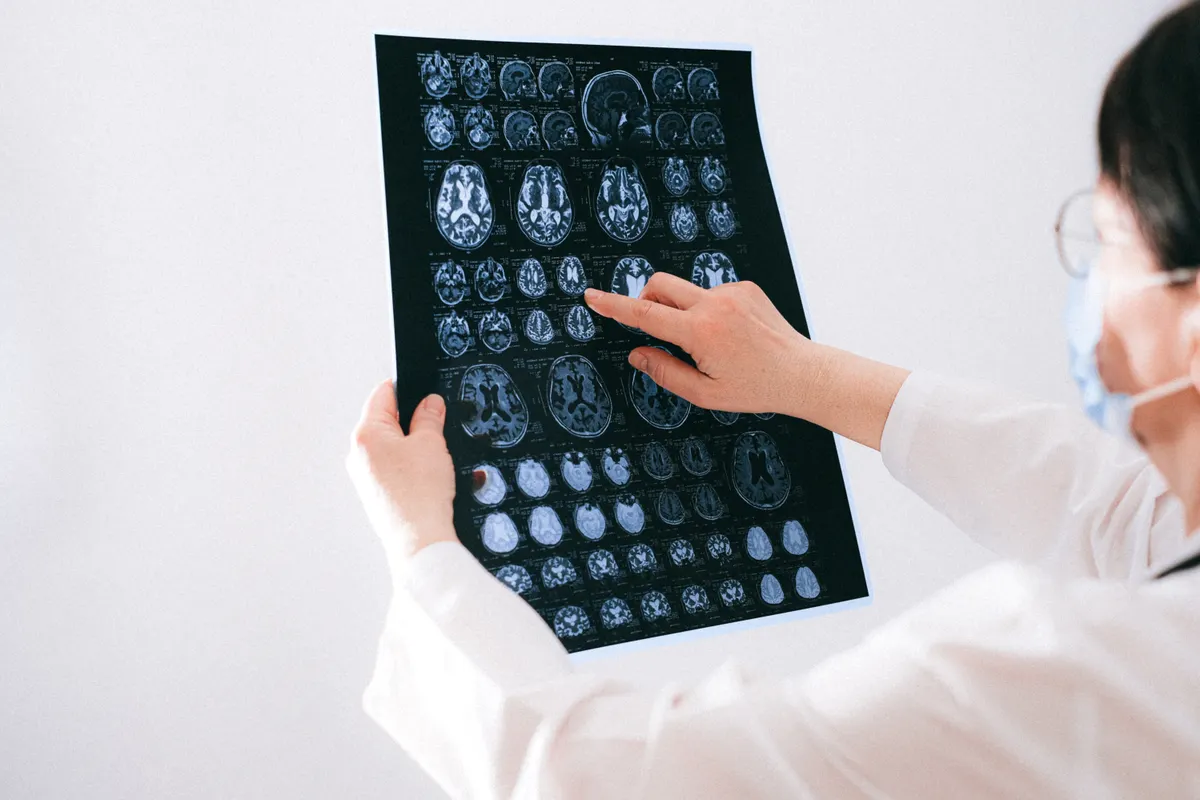
To gain a clearer picture, the scientists conducted exploratory neuroimaging analyses. These scans revealed a distinct neural signature in the responder group. Responders exhibited significantly reduced baseline functional connectivity between the insula and the nucleus accumbens. The insula acts as the brain's sensory translator, turning internal physical states into conscious cravings, while the nucleus accumbens is the primary processing center for reward, motivation, and pleasure.
In addition to this connection, responders also showed reduced baseline connectivity between the insula and two other regions: the precuneus, involved in self-referential thought, and the occipital pole, which processes visual information. This weaker baseline communication between the insula and the reward center characterizes the unique network state of responders. When neuromodulation is applied to the prefrontal cortex, individuals with this specific baseline network configuration show a much higher sensitivity to the treatment. Nonresponders, who exhibited different baseline functional connectivity patterns, did not experience the same acute reduction in cravings.
These findings highlight why understanding individual brain architecture is so critical. Identifying these baseline biological differences helps explain why some brains resist decline and maintain cognitive resilience, while others remain vulnerable to behavioral disruptions and dependency. By mapping these specific neural pathways, clinicians can move closer to developing highly targeted, personalized therapeutic plans.
The Future of Personalized Addiction Medicine
The ability to identify responders based on their baseline biological and behavioral profiles marks a significant shift away from standard, one-size-fits-all clinical approaches. By combining simple clinical assessments, such as daily cigarette consumption and withdrawal scores, with baseline brain scans, professionals can begin to predict with high accuracy who will benefit most from targeted neuromodulation. This level of precision is the cornerstone of modern longevity medicine, ensuring that therapeutic interventions are targeted exactly where they are most likely to succeed.
While advanced technologies like rTMS continue to evolve, individuals can also use targeted behavioral protocols to support their cognitive health. One of the most effective evidence-based techniques is urge surfing, a mindfulness practice designed to help individuals consciously manage intense cravings. This protocol targets the cognitive relationship between physical sensations and automatic reward-seeking behaviors, helping to build behavioral resilience.
Clinical Protocol: The Urge Surfing Technique
- Objective: Disengage conscious attention from automatic reward pathways to weaken the immediate craving response.
- Step 1: Identify the Cue: As soon as a craving or withdrawal symptom arises, mentally acknowledge its presence without judgment.
- Step 2: Focus on Physical Sensations: Spend 2 to 3 minutes scanning the body. Note where the craving manifests physically, such as tightness in the chest, dryness in the throat, or restlessness in the limbs.
- Step 3: Breathe and Observe: Sit quietly for 10 to 15 minutes, treating the craving as a physical wave. Breathe deeply and visualize yourself riding on top of the wave as it crests, stabilizes, and eventually subsides.
- Step 4: Do Not Interact: Avoid trying to fight, suppress, or satisfy the urge. Simply observe its natural lifespan until it disappears.
While daily behavioral practices like urge surfing provide excellent cognitive training, maintaining systemic health and long-term vitality requires a comprehensive, data-driven strategy. At VAANAA, we specialize in translating cutting-edge clinical neuroscience into highly personalized longevity programs. Through advanced biological age tracking, using state-of-the-art epigenetic clocks such as the Dunedin Pace and OMICm Age, we help clients monitor and optimize their systemic cellular health. Furthermore, our clinical teams offer comprehensive metabolic and neurological health screenings designed to identify underlying physiological imbalances, empowering you to proactively protect your neural pathways and maintain peak cognitive performance throughout your life.
This article is for informational and educational purposes only and does not constitute medical advice, diagnosis, or treatment. Readers should always consult with a qualified healthcare professional regarding any medical condition or treatment plan. Never disregard professional medical advice or delay seeking it because of something you have read in this publication.
Sources & References
MedRxiv
Research Date: July 2026
Related Intelligence Briefings
Senolytic Side Effects: The Surprising Risks of Dasatinib and Quercetin
Healthy Brain Aging: Why Do Some Brains Resist Decline?
Why Does Alzheimers Disease Affect More Women? Female Risk Explained
Cognitive Longevity Protocol
Evaluate your biological biomarkers for brain health. Learn how targeted clinical protocols can mitigate cognitive depreciation and preserve clarity.