Epigenetic Methylation Metrics and Circulating Nucleosome Profiles in Pulmonary Nodule Differentiation
Executive Summary
"Explore how blood-based epigenetic lung cancer screening utilizes circulating nucleosomes and advanced molecular assays to identify early-stage lung nodules."
The clinical development of blood-based epigenetic lung cancer screening represents a major paradigm shift in how modern medicine approaches the accidental discovery of pulmonary nodules. Each year, millions of individuals undergo routine diagnostic chest scans only to be told that a tiny, unexpected spot has been detected on their lungs. This discovery frequently triggers immense physical and psychological anxiety as patients wait to learn whether the spot is benign or malignant. While low-dose computed tomography scans are highly effective at capturing these small pulmonary nodules, they often suffer from a lack of biological specificity. Consequently, benign scars or minor localized infections are frequently misidentified as active threats, leading to a high rate of false positive results where the imaging test incorrectly suggests disease is present. These false positives can result in highly invasive diagnostic procedures that carry substantial physical risks for patients.
To overcome this diagnostic bottleneck, researchers are developing molecular technologies that evaluate the blood through a highly advanced perspective. Instead of searching for a needle in a clinical haystack by tearing the entire stack apart through invasive tissue biopsies, scientists now visualize the bloodstream as a continuous conveyor belt. This biological conveyor belt carries tiny, discarded books released by various organs as cells naturally turn over and recycle their components. While healthy, normal organs discard intact and clean books, a developing tumor releases books with distinct physical alterations, specifically folded dog-ears, representing nucleosomes (protein packaging complexes), and highlighted passages, representing DNA methylation (chemical modifications to DNA). Advanced liquid biopsy assays act as high-speed laser scanners positioned above this biological conveyor belt, reading only these dog-eared pages to identify the exact section of the library undergoing damage. This is how cellular smart sensors are changing the landscape of early detection.
To evaluate this non-invasive approach in a real-world clinical setting, investigators at the National Taiwan University Hospital have launched a clinical study registered as ClinicalTrials.gov Study NCT06838806. This trial aims to evaluate the diagnostic accuracy of the Nu.Q blood test for lung cancer, comparing its molecular performance directly with traditional low-dose computed tomography scans. By establishing this trial, the investigators hope to provide a reliable, non-invasive pulmonary nodule differentiation method that can streamline patient triaging, reduce unnecessary surgical procedures, and ease the immense psychological burden that accompanies incidental findings. The study is currently recruiting an estimated sample size of 500 participants who are already scheduled to undergo chest low-dose computed tomography or standard computed tomography scans.
Deciphering the Blood's Epigenetic Library: Nucleosomes and Methylation
When cells complete their natural life cycles, they release fragments of genetic material known as cell-free DNA into the bloodstream. However, these DNA molecules do not float entirely naked in the plasma, but are instead wrapped around histone proteins to form structural units called nucleosomes. These nucleosomes carry critical chemical modifications, known as epigenetic marks, which act as a cell's operating system by controlling which genes are turned on or off. In cancer cells, these epigenetic markers become highly disorganized, leaving a distinctive molecular signature in the blood. By capturing these intact nucleosomes directly from a standard blood draw, researchers can read these complex regulatory signals to determine if the originating tissue was healthy or cancerous.
DNA methylation patterns are critical markers for liquid biopsies, but low abundance of target templates in early stages has historically limited clinical implementation. Addressing this limitation, a breakthrough platform known as Delta-HLD, described in a MedRxiv preprint study, offers a novel, PCR-compatible method to quantify methylation directly in native, undamaged DNA. By utilizing a sequential series of hybridization, ligation, and methylation-sensitive digestion steps, this technology bypasses traditional chemical degradation. It co-reports multiple epigenetic signals through a single, highly efficient PCR workflow, providing a streamlined diagnostic tool that could easily be adopted by standard clinical laboratories. This sequential enzymatic processing represents a major technical step forward, solving the historical problem of low template abundance while maintaining high processing speed.
The integration of advanced epigenetic platforms represents a major leap forward in the field of non-invasive diagnostics. Rather than looking for rare genetic mutations, which can vary wildly between different tumors, these assays look at broad, coordinated epigenetic changes that occur early in the development of cancer. This comprehensive view makes them exceptionally suited for early-stage detection, where the tumor size is small but the epigenetic reprogramming is already well underway. This approach aligns perfectly with the clinical goals of a comprehensive diagnostic audit, offering an incredibly sensitive window into cellular health. By utilizing these dual layers of epigenetic intelligence, clinicians can obtain a multi-dimensional view of a patient's biological landscape, catching cellular aberrations long before they manifest as large physical masses on an imaging scan.
Trial Design: Validating Epigenetic Assays in Active Populations
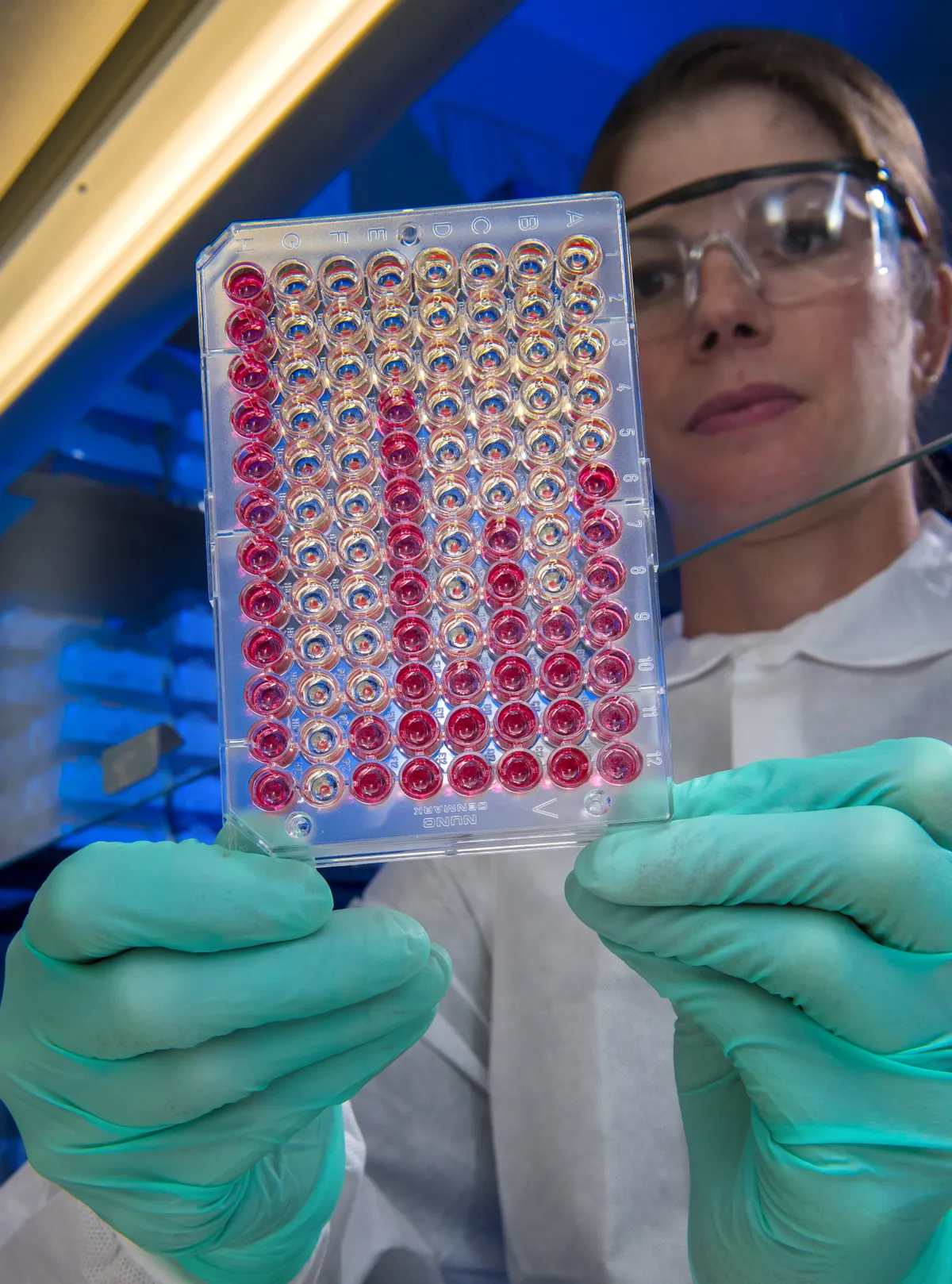
To validate this non-invasive approach in an active clinical setting, investigators at the National Taiwan University Hospital have launched a clinical trial registered as ClinicalTrials.gov Study NCT06838806 to evaluate the diagnostic accuracy of the Nu.Q blood test. This prospective clinical study aims to compare the molecular performance of this nucleosome-based assay directly with traditional low-dose computed tomography scans in a real-world Taiwanese population. The study is currently recruiting an estimated sample size of 500 participants who are already scheduled to undergo chest low-dose computed tomography or standard computed tomography scans. For each participant, investigators collect a simple 20 mL blood sample to isolate plasma for circulating nucleosome analysis. The molecular profiles obtained from these blood draws are then compared directly with the corresponding lung pathology results obtained from clinical biopsies or surgical resections.
This trial design is particularly significant because it focuses specifically on the Taiwanese population, a group known to have a high incidence of lung cancer among non-smokers, particularly women. Historically, clinical validation trials for cancer screening tools have been heavily skewed toward Western cohorts, which may not fully represent the unique genetic and environmental risk profiles of Asian populations. By recruiting 500 local participants, this study will provide crucial data on how well nucleosome-based liquid biopsies perform in a distinct demographic group. Additionally, comparing the blood test results directly against low-dose computed tomography scans will help clarify whether this molecular assay can serve as an effective triaging tool. This could potentially allow clinicians to identify which patients with low-risk nodules on their initial scan actually require immediate medical follow-up versus those who can safely continue with routine, non-invasive monitoring.
Collecting 20 mL of blood is a minor, highly tolerable procedure for patients, yet it provides a wealth of molecular information for diagnostic analysis. This volume yields enough plasma to perform multiple replicate assays, ensuring that the detected nucleosome signals are highly reproducible and free from technical artifacts. In contrast, obtaining a tissue sample through a needle biopsy of the lung is a highly complex procedure that carries a significant risk of complications, such as a pneumothorax (a collapsed lung caused by air leaking into the pleural space). By demonstrating that a simple, low-risk blood draw can provide comparable diagnostic clarity, the National Taiwan University Hospital study could pave the way for a paradigm shift in how we approach the initial evaluation of suspected pulmonary lesions. This shift could substantially reduce overall healthcare burdens while sparing patients from the physical trauma and psychological stress of invasive procedures.
The Future of Preventative Oncology and Epigenetic Interception
The shift from reactive cancer treatment to early, non-invasive epigenetic interception represents one of the most promising advancements in modern preventative oncology. When lung cancer is detected in its earliest, localized stages, the five-year survival rate exceeds ninety percent, whereas late-stage detection dramatically drops this figure to single digits. Integrating epigenetic liquid biopsies into routine clinical screening protocols could fundamentally rewrite these statistics by detecting the earliest signs of molecular instability before a physical tumor has the chance to grow and spread. This proactive approach fits perfectly into the framework of executive longevity, where the ultimate goal is to maintain biological integrity and prevent chronic diseases before they cause systemic damage. By shifting the clinical focus from late-stage intervention to early molecular surveillance, we can protect our vital organ systems and extend our healthy lifespan.
Beyond simply detecting cancer, the analysis of circulating nucleosomes and cell-free DNA offers a unique window into systemic health and age-related biological decline. Chronic, low-grade inflammation, a phenomenon often referred to as inflammaging, is known to alter cellular turnover rates and disrupt normal DNA methylation patterns throughout the body. By monitoring these subtle epigenetic shifts over time, clinicians may eventually be able to assess a patient's overall rate of biological aging and evaluate the effectiveness of various longevity interventions. This holistic view of health recognizes that cancer does not develop in a vacuum, but is instead the product of a slowly degrading cellular microenvironment. Utilizing blood-based epigenetic scanners allows us to actively monitor this microenvironment, providing actionable feedback that can help us optimize our daily habits, reduce systemic inflammation, and support long-term cellular health.
Study Limitations and Scientific Caveats
While the science behind circulating nucleosomes and advanced epigenetic assays is undeniably exciting, it is critical to approach these findings with a degree of scientific caution. For instance, the Delta-HLD platform study is currently a preprint, meaning it has not yet undergone the rigorous process of formal peer-review by independent scientific experts. Preprint studies represent valuable, early-stage scientific communication, but their methodologies and conclusions must be validated by further independent research before they can be safely integrated into standard clinical practice. Additionally, both the Delta-HLD proof-of-concept and the National Taiwan University Hospital clinical trial involve relatively small cohort sizes of five hundred participants or fewer, which may limit the generalizability of their findings to larger, more diverse global populations.
Another major technical challenge in the field of liquid biopsy is the difficulty of distinguishing true cancer-derived epigenetic signals from those caused by benign inflammatory conditions. Chronic tissue inflammation, such as that caused by smoking, respiratory infections, or autoimmune disorders, can also cause cells to turn over rapidly and release altered nucleosomes into the bloodstream. This biological overlap can potentially lead to false-positive results (where the assay indicates a potential malignancy that is actually just a benign, inflammatory response). Consequently, extensive clinical trials with diverse control groups are absolutely essential to ensure these assays possess the high specificity required to avoid causing unnecessary patient anxiety and additional invasive medical workups.
Practical Recommendations for Supporting Cellular and DNA Health
To support healthy DNA methylation and optimize cellular clearance pathways while these diagnostic technologies continue to mature, individuals can implement several practical lifestyle modifications. Ensuring an adequate dietary intake of natural methyl donors is essential, as these molecules provide the raw biochemical materials required for proper epigenetic regulation. Nutritionists recommend incorporating foods rich in folate, such as leafy green vegetables, alongside vitamin B12 from high-quality protein sources, and choline, which is highly abundant in eggs. Minimizing exposure to known environmental lung irritants is another critical step, and utilizing high-efficiency particulate air (HEPA) filtration systems in home and office environments can significantly reduce the inhalation of fine particulate matter that triggers localized lung inflammation.
Furthermore, individuals undergoing diagnostic chest scans can benefit from established surveillance protocols rather than immediately resorting to highly invasive diagnostic procedures. For small, low-risk nodules under six millimeters, discussing a structured, non-invasive imaging schedule with a primary physician is often the most prudent course of action. Maintaining a detailed personal health record with precise nodule measurements and specific radiological characteristics can help patients track biological changes accurately over time. By combining advanced clinical screening with proactive environmental and nutritional habits, patients can protect their long-term cellular capital while successfully navigating the complex landscape of modern precision oncology.
This material is for educational and informational purposes only and does not constitute formal medical advice. Please consult with a qualified healthcare professional before making any changes to your clinical testing schedule, cancer screening methods, or health protocols. Nothing here is a diagnosis or a treatment recommendation. Never disregard professional medical advice, or delay seeking it, because of something you have read here.
Sources & References
National Taiwan University Hospital (ClinicalTrials.gov)
Research Date: March 2025
Additional References
MedRxiv
Scientific paper outlining the Delta-HLD epigenetic assay platform
Related Intelligence Briefings
Fragmentomics and Neural Network Modeling in Circulating Tumor DNA Diagnostics
Epigenetic Methylation Metrics and Lifestyle Interventions in Biological Age Acceleration
Systemic Tissue Aging and Musculoskeletal Deceleration: Interventional Protocols for Cellular Rejuvenation
Begin Your Biological Optimization Journey
Schedule a private consultation with the VAANAA clinical team to evaluate your biomarkers and build a personalized longevity protocol.